
NASA Commits to Plan to Build a Nuclear Reactor on the Moon by 2030
The U.S. space agency and the Department of Energy will work together to build a fission reactor on the lunar surface in the next four years
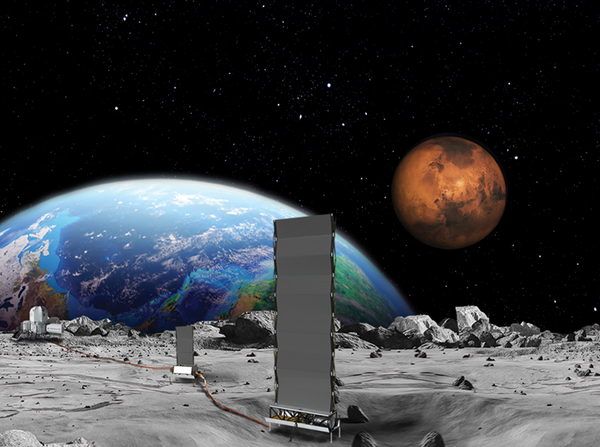
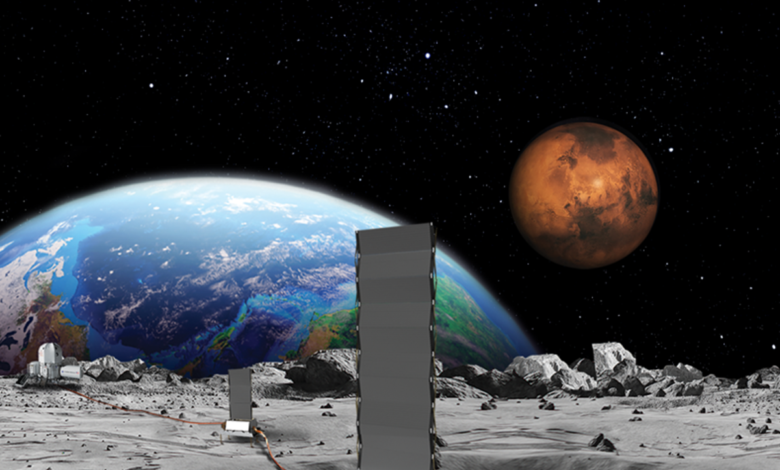
A 2024 concept image of NASA’s fission surface power system for the moon.
The moon is going nuclear. On Tuesday NASA and the U.S. Department of Energy announced a commitment to build a fission reactor on the lunar surface.
NASA has been exploring nuclear power for the moon for years, but the endeavor got a boost late last year in an order from President Donald Trump to build one to ensure “American space superiority.”
The reactor will be capable of operating “for years without the need to refuel,” according to NASA. It will provide power for the agency’s Artemis program, which seeks to establish a long-term human presence on the moon—and eventually Mars.
On supporting science journalism
If you’re enjoying this article, consider supporting our award-winning journalism by subscribing. By purchasing a subscription you are helping to ensure the future of impactful stories about the discoveries and ideas shaping our world today.
“America is committed to returning to the Moon, building the infrastructure to stay, and making the investments required for the next giant leap to Mars and beyond,” said NASA Administrator Jared Isaacman in a statement.
Nuclear power may be an ideal fuel source in the sometimes dark, cold moon environment. While many lunar landers are equipped with batteries and solar panels to keep them running for the length of their mission, they ultimately run out of fuel—either because of a lack of sunlight as the moon turns on its axis or because their batteries die.
The space agency’s partnership with the DOE could help speed NASA’s efforts to build moon-ready reactors. Aside from any technical hurdles, putting a nuclear reactor on the moon will require a significant amount of engineering to make sure it works as desired on the lunar surface.
It’s Time to Stand Up for Science
If you enjoyed this article, I’d like to ask for your support. Scientific American has served as an advocate for science and industry for 180 years, and right now may be the most critical moment in that two-century history.
I’ve been a Scientific American subscriber since I was 12 years old, and it helped shape the way I look at the world. SciAm always educates and delights me, and inspires a sense of awe for our vast, beautiful universe. I hope it does that for you, too.
If you subscribe to Scientific American, you help ensure that our coverage is centered on meaningful research and discovery; that we have the resources to report on the decisions that threaten labs across the U.S.; and that we support both budding and working scientists at a time when the value of science itself too often goes unrecognized.
In return, you get essential news, captivating podcasts, brilliant infographics, can’t-miss newsletters, must-watch videos, challenging games, and the science world’s best writing and reporting. You can even gift someone a subscription.
There has never been a more important time for us to stand up and show why science matters. I hope you’ll support us in that mission.