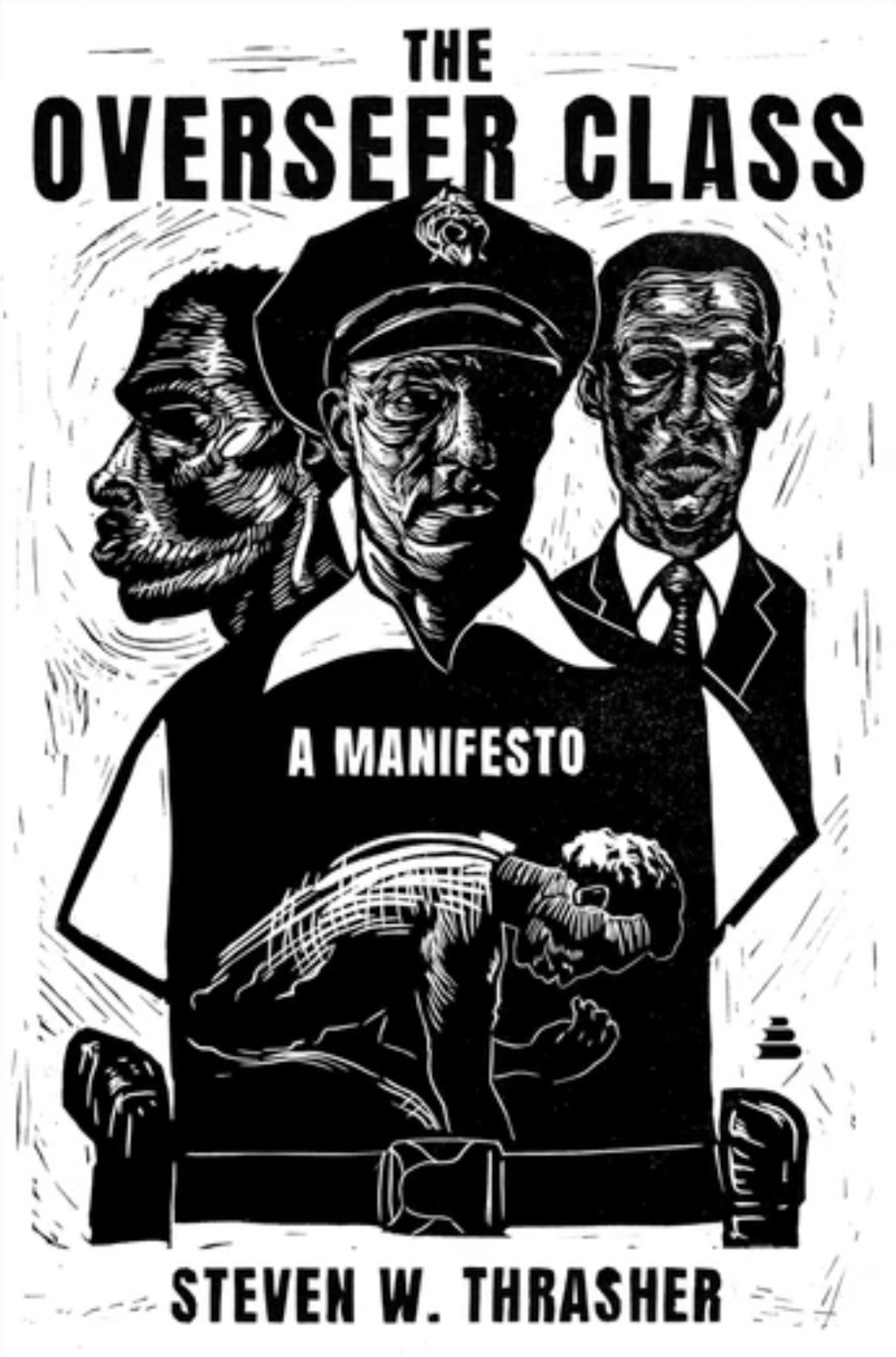
This coming weekend, BAM extends the heater it’s been on all year with another brilliant, challenging 12-film miniseries featuring “Black Cops, Spies, and Overseers.” It was curated by Jessie Trussell, who just got done defining “Pynchonesque” at the institution of cinema downtown, and Steven W. Thrasher, whose revelatory new book The Overseer Class inspired the series.
Thrasher is an increasingly rare kind of celebrity: a fearless, crusading public intellectual (academic, journalist, and author) whose blockbuster books can open eyes and shift paradigms just by reading and thinking about their titles. His latest book takes a hard look at how Black and Brown people have entered historically White spaces, attaining positions of visibility and authority, then must continue to enforce the cycles of oppression, and even death, of people who look, speak, have sex with, or originate from places like them.
Courtesy of HarperCollins
It’s a fascinating, explosive read that looks at how culture and media—and Black cops, for instance—have been used on screens big and small to soften our stances on state and corporate violence via copaganda. Expanding Thrasher’s new book with a series including films like In the Heat of the Night, Seven, The Naked Gun, Beverly Hills Cop, Ricochet, Django Unchained, and Blazing Saddles was an act of both clever and intuitive programming by Trussell and BAM.
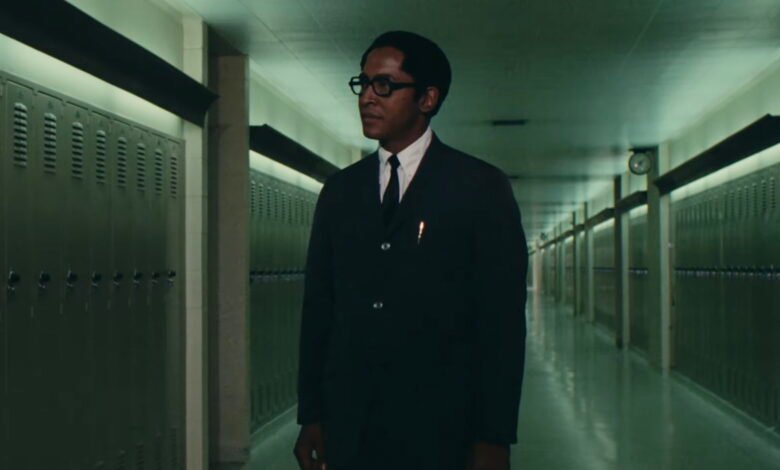
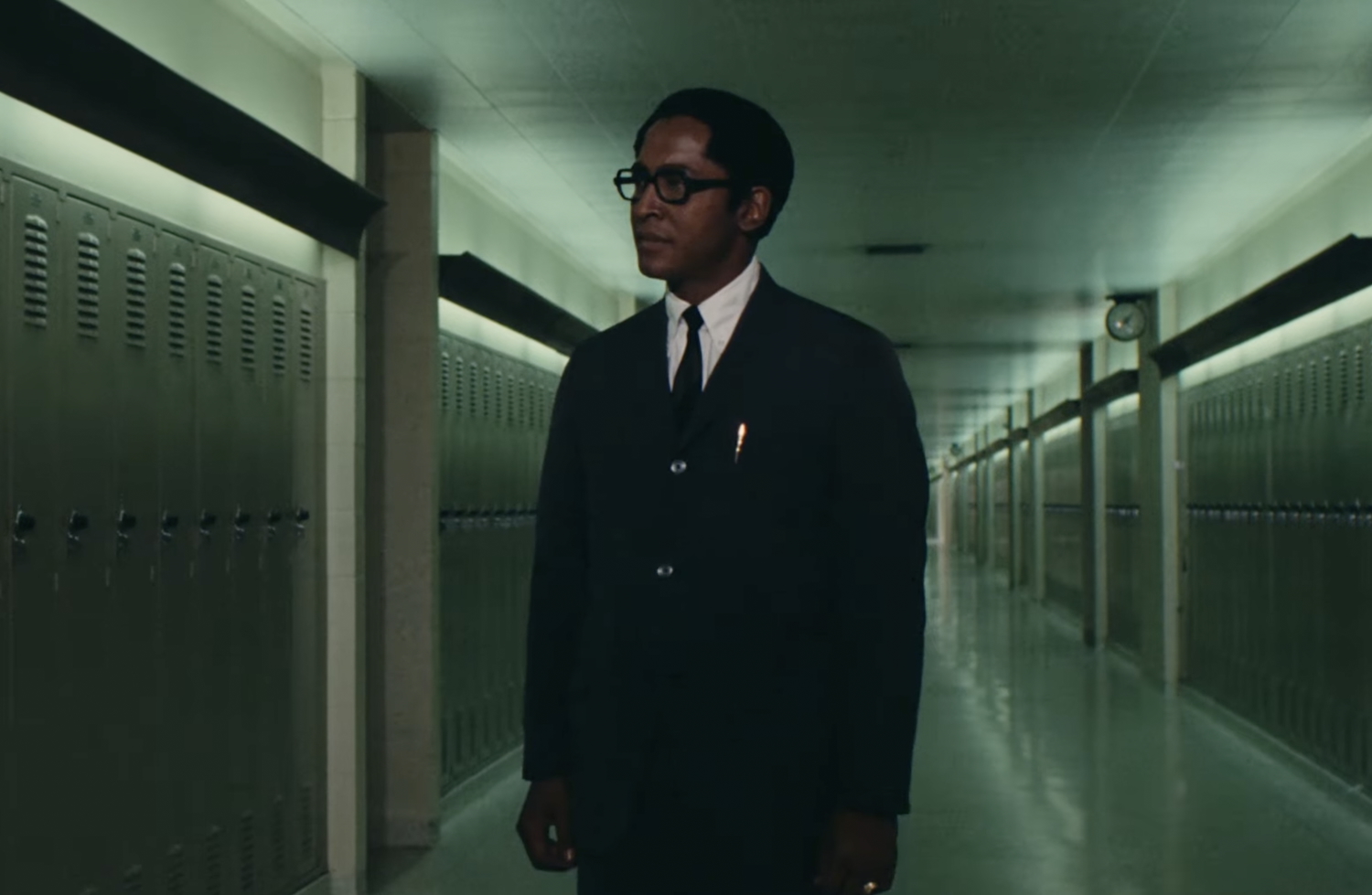
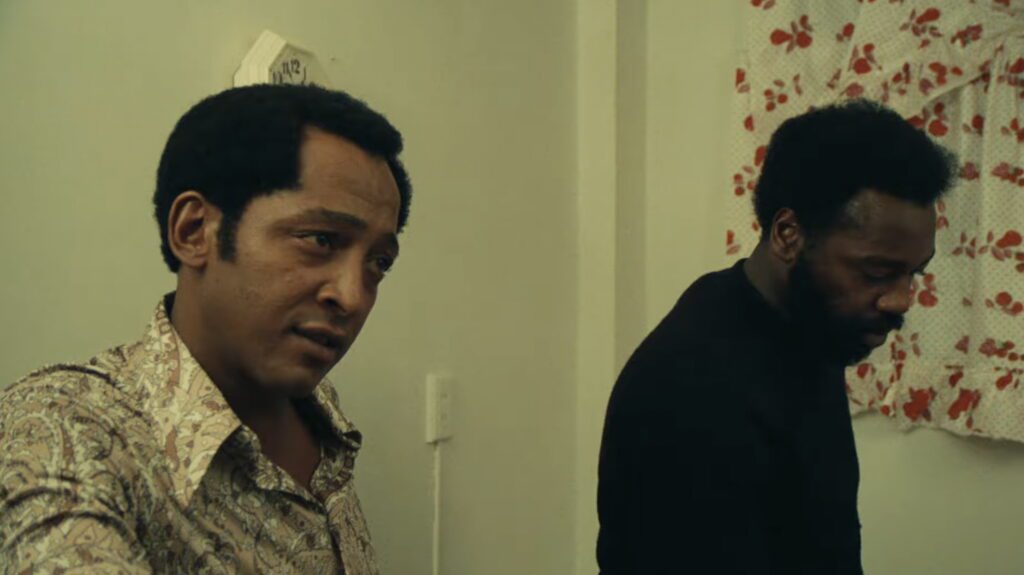
On Friday, the series kicks off with its most subversive selection, Ivan Dixon’s “lost” 1973 classic, The Spook Who Sat By The Door. The film is an adaptation of a book from the revolutionary author and poet Sam Greenlee about Dan Freeman, the first Black man to join the C.I.A., who’s brought onboard by a White politician attempting to pander to his Black voter base. Freeman spends five years learning how the organization operates, as well as their condescending views towards and methods for dealing with Black people, then uses that information to go to Chicago and raise a guerilla army that spreads around the country, fomenting a race war.
It’s a premise that could easily spin off its axis but is restrained and heightened thanks to a masterful job of tone management by Dixon (aided by what should have been a career-making performance from Lawrence Cook, who portrays Freeman) in a powerful film that is both satirical and grounded. It is easily mistaken as part of the class of Blaxploitation films from that era, but has more in common with Jules Dassin’s Uptight, Haskell Wexler’s Medium Cool, Costa Gavras’ Z, and even Gillo Pontecorvo’s The Battle for Algiers—revolutionary films about global social upheaval in the late 60s.
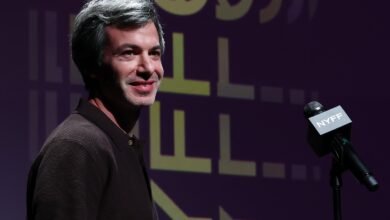
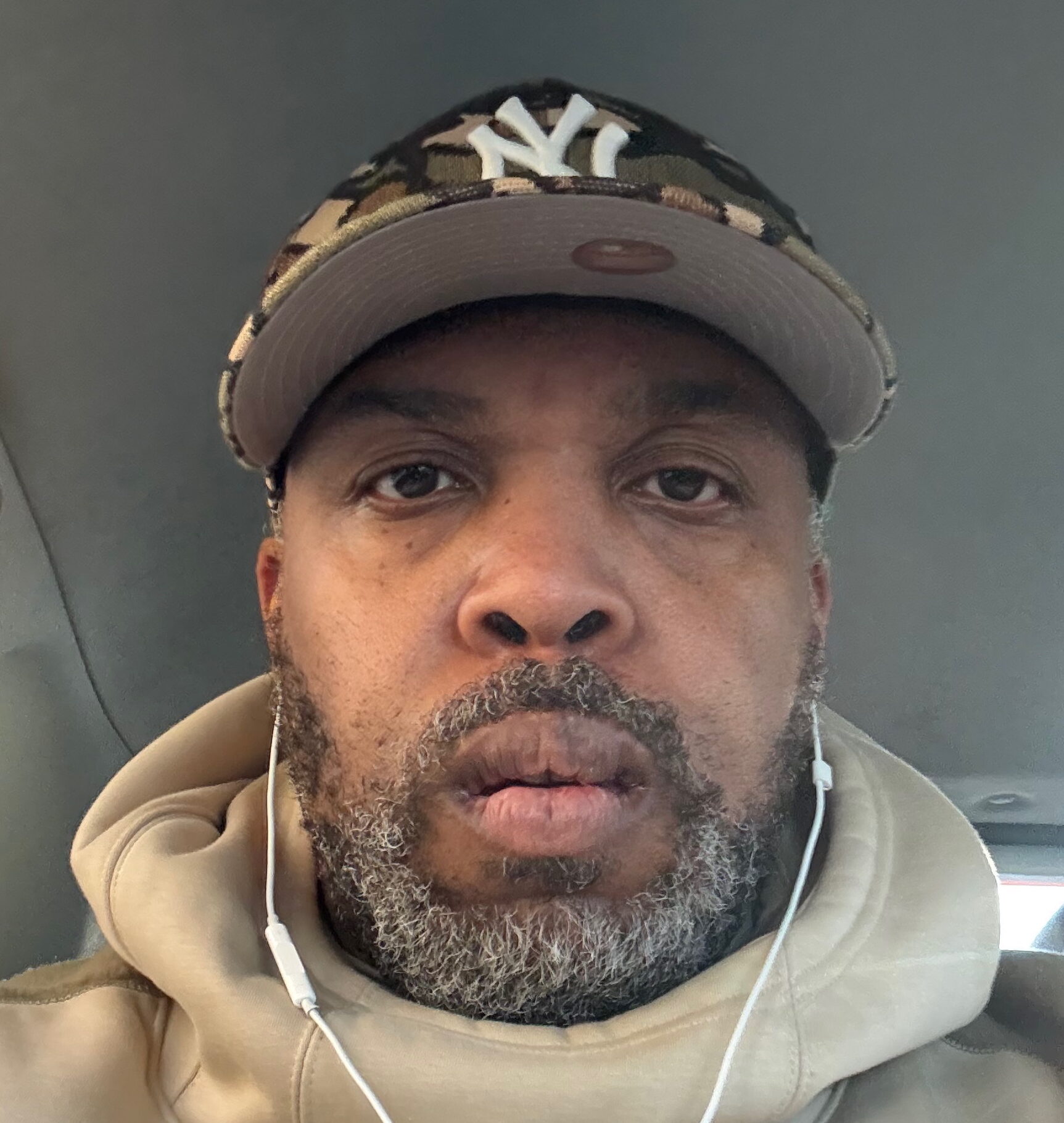
“My colleague,” New York Magazine critic and culture writer Craig Jenkins, has been bestowed the honor of presenting and participating in a discussion around a screening of the film at BAM Friday night, along with Thrasher and the critic Soraya Nadia McDonald, so I reached out and hopped on Zoom with Craig to discuss the series, Thrasher’s book, and this incredible film over a chaotic, hilarious, meandering (heavily edited and condensed) 90 minutes.
Whenever I see an interesting pairing of a personality and a screening, I’m always curious as to how it came about. What did reachouts for this look like?
Thrasher and I were mutuals since Twitter, to Blue Sky, and he just hit me up, like, ‘I have this thing,’ and I was like, ‘Oh, you need someone to discuss that film? Let’s go.’ Immediate yes.
Courtesy of Craig Jenkins
Have you ever done anything like this before?
At Tribeca, maybe it was 2 years ago? I got to host a panel on the anniversary of New Jack City, which Mario Van Peebles was around for, and a bunch of people from the cast were around for. I got to hand a microphone to the RZA, and afterwards Ghostface came through. Me and the homies- we like to tell this story- we stood up, like troops, when Ghostface walked into the function, and just saluted him. That literally happened. That was incredible.
This year at Tribeca, as part of Vulture Fest, I’m also talking to Solange for the tenth anniversary of Seat at the Table. Chatting about culture is what I do for a living, and my weeks and weekends are spent digging into work I don’t know about, so it’s nothing to organize an extracurricular thought process and share my results with a film that I think a lot of.
I think the structure of The Spook Who Sat By the Door is really interesting because Freeman finds his solution inside the system. He learned how the CIA evaluates and thinks about his people. Then he weaponizes it.
CIA is the CIA. But I wonder if Greenlee is going that far and if it’s just not revolutionary theater where every character represents something and the point is that this is all pretty absurd, that we accept that our government does this elsewhere but it would be absolutely offensive if anything remotely like that happened here.
There’s also the other rhetorical level where they’re taking the racist assumption that Black people don’t know anything and using it to get information that will be exploited in this national conflict. Then it’s also preying on that fear that the racial other is conspiring behind the scenes, turning these two concepts on their heads, or playing them out, and I don’t know if it’s doing a lot more than that.
The core project of the film is on the level of my favorite political dramas, even though it is intrinsically funny. I think about it the way I think about Strangelove and Failsafe and films where it’s about extrapolating this stupid thing about us all the way out into the most cataclysmic scenario to see what everybody does, and what they’re made of, and what it tells us about different tropes in the community.
Do you think Freeman is a Communist?
No, because I just restarted Disco Elysium and finished it. So I just ran a 16-hour drill on the question in the shape of that game. I think that he is something else. He is outside of the system, trying to siphon off the resources to make another one on top of it.
On this rewatch I was thinking about his ultimate plan. Is he a secessionist? Is he a Garveyist? I think what you’re saying about not attempting a literal reading of it is smart because maybe pulling too hard at the thread is distracting from the point.
I just feel like sometimes revolutionary literature is presenting you a cultural diorama to disseminate lessons about things, or advice through how these elements crash into each other. I don’t want to say there’s not necessarily a deeper point because I still have the making of documentary to watch that I tracked down, and they might be saying a whole lot in there that I have not gotten to yet, so I don’t want to rule out the possibility that there’s more going on.
I just don’t want to undersell Greenlee as a humorist because I’ve been reading his poems, and they’re very, very funny. They’re also very pointed. It’s race comedy, sometimes in the form of proto-rap, on the page. So there’s a straight line between what’s going on in that film and that kind of a purview where we can at once have a conversation about these unfortunate realities, but also be laughing about how ridiculous everything is that we’re expected to accept.
That sounds amazing. Is there a collection of poems you can buy?
It’s called Ammunition. The tiniest book. They’re so funny.
I think the obvious question this all suggests is, how do you feel about Boots Riley’s work? He’s probably the closest thing we have to a currently working American filmmaker in conversation with this movie.
I have not made it out to [I Love] Boosters. I want to stay to myself as someone who was big into The Coup and such matters at that time when they had the 9/11 album cover, but has kind of fell out of it. But I appreciate that he is able to thread social consciousness through modern stuff that people enjoy.
Do you think this film hurt Lawrence Cook? His iMDB following this tremendous performance is, in my mind, not befitting of his talent.
I happen to have seen, like, half of his joints, it turns out. I just recently did Cotton Comes to Harlem. Troubleman is on the list, Colors is Colors. I think it’s a formidable catalog compared to a lot of other people who star in one consequential film and the rest of the stuff isn’t as potent.
Courtesy of The Atlanta Film Society
So it sounds like your thought is that this is just what a career looked like for most Black actors of that era?
No, I mean, there’s not many more movies after it until the 80s. So I don’t know if that entirely went fantastically. But he got TV roles. He was on Days of Our Lives.
I mean, to me, I watch him in this and I’m thinking, This guy is a star. Let’s build movies around him. But then really, how many Black actors in between, say, Poitier and Eddie were even getting those opportunities?
Well, the thing is, this is a film that was arguably “disappeared.” We don’t know the extent to which it was suppressed. It’s been a major point of the discourse over the years. So it’s hard to say if having been in that does or doesn’t really wreck things for a guy because you don’t know how many high-level people actually saw it.
I’m fascinated by Ivan Dixon coming to this from a sci-fi background because I think that’s what gives it that weird sort of stiff, serious, 70s sci-fi spirit. This guy has done episodes of Twilight Zone. He’d been in the circuit that you could be on as a Black actor and an eventual director, which is like, you could play whatever bit part in genre or whatever race movie that they had for you.
It’s a really fascinating journey and I think that his history drips out into the tone of this film in ways that sets it apart from stuff that it gets lumped in with. It’s getting at this issue of how do we memorialize the fact that all the heroin flooded into the hood, and things started to disintegrate, and at the same time Black Power is happening, while we’re trying to get representation in film and policing. There was a lot, so there’s a lot of room to be serious and silly about it. And I feel like Greenlee strikes this immaculate balance, where it’s not very funny to everyone, but it is absolutely deeply, angrily satirical. It is that smirking through your teeth type of sense, and you could miss it if you aren’t willing to level with it.
You gotta trust me and check out Boosters because Boots is basically a science fiction writer/director. And it’s wacky and outrageous, but it’s kind of what you’re hinting at with Dixon making this movie like it’s speculative fiction.
I like how it is a very full story that lets you think that there’s a lot more that happens afterwards. It’s that New Jack City vibe because after you pull out of that story, there’s a card that’s like, by the way, this is happening in every city, and Mario is calling back to Sweetback, and his father [Melvin], right?
Before I had seen this movie, my relationship with it was through Dead Prez’s “We Want Freedom.” I had known that for years, and then I saw it in this movie, and I was like, Oh, that’s where it comes from. There are several more references from this film that bleed into rap. When did you start either directly or indirectly picking up on the film and its legacy?
I can’t even remember when I first discovered the movie. Either because it was some early rap lyric that I just traced back somewhere or it was always there, left of the dial, like the availability of revolutionary consciousness in the neighborhood. You’re growing up in like 80s-90s in Harlem, you have an uncle or somebody on the block who has read a lot, listened to a lot of rap. He’s well-read but coming to his own conclusions about things that may not necessarily line up with anybody else’s material reality. They’re just this library of literature and I would have been familiar with the movie through them. I don’t know at what point I started really watching this movie and really getting it but I knew about it probably longer than that.
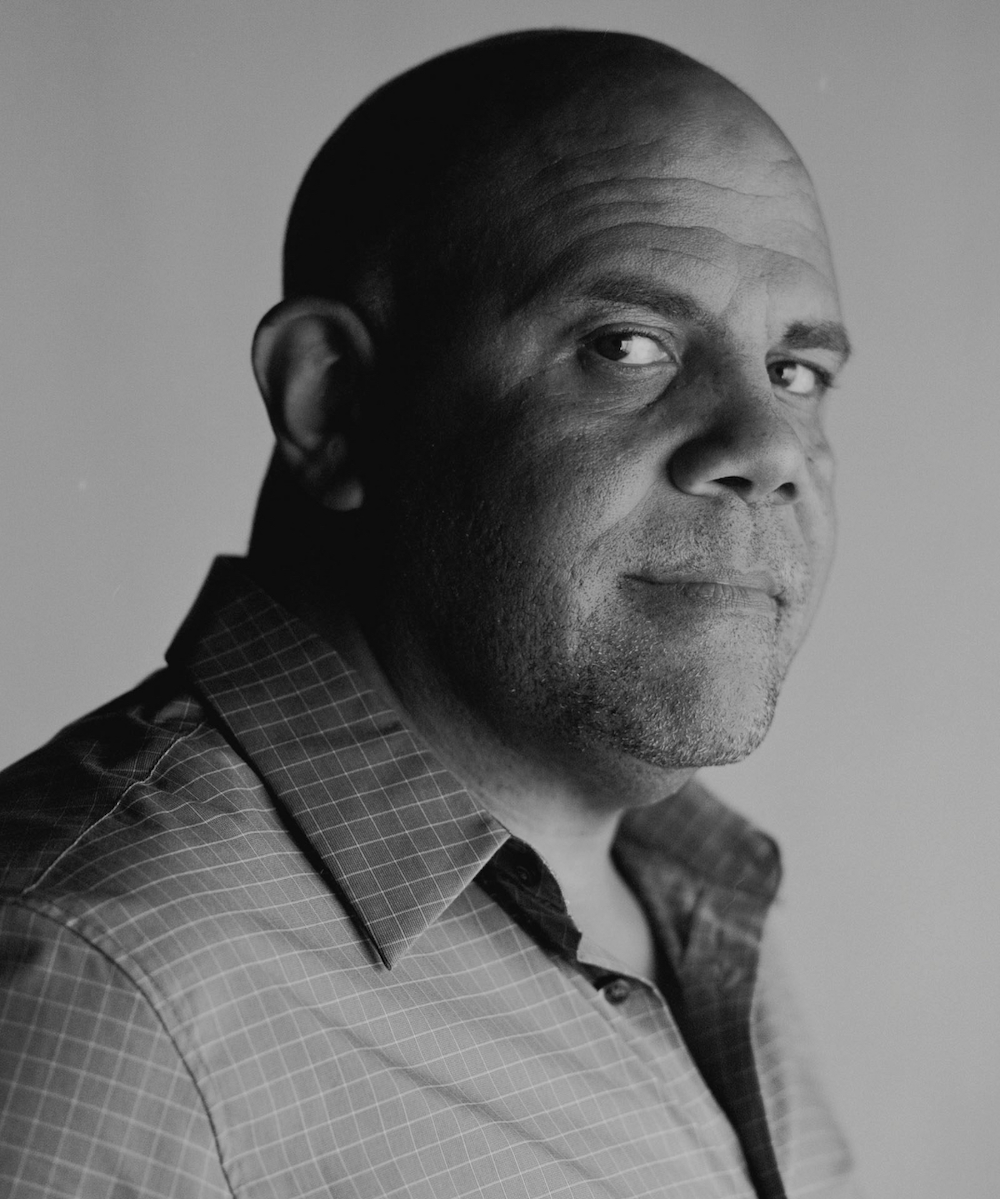
Photo by Ryan Pfluger
I was thinking about the concept of copaganda, because I was listening to this conversation with Thrasher this morning, and he was really emphasizing how subtly pervasive it is in culture, particularly for Black actors and what that represents. I was wondering how you’d define it.
I don’t necessarily think about it that hard. It’s just clearly this thing that exists for you to have a more refined and perhaps softer image of the police. I was playing the Spider-Man PS 4 or 5 game, which I had an intense connection to because that was the game that was out when Mac Miller passed. And one of the three things I remember about that week is that I was playing that game to have something to do to move the clock forward.
I started to get really uncomfortable with how much Spider-Man, as a vigilante, seeks the approval of and collaboration with police. Throughout the game, they just start to beef up the presence more and more, and then I started thinking about why Batman does not spend that money in the hood. You could probably make your life easier as a vigilante if your city wasn’t falling apart.
I see a lot of truth in the fact that there has always been this push to reform the image of policing in America ahead of any actual reform and it has been useful to me in really thinking about what message I’m being delivered, or what the intent is behind the thing I’m watching, which is something that I feel like, as media folks, we always have to be thinking about, and making sure that other people are thinking about because if you take a lot of what you consume at surface level, you can get lead in any direction.
I don’t know if everything that everyone thinks is copaganda necessarily bothers me as much, but there’s no argument with the core premise that we have all this stuff out there trying to make it look like these procedures go normally when they don’t. And then there’s the Hollywood of it all where you could just not get a job if you’re not playing a police officer. And even then you might not even be able to carry a gun as a Black cop on TV.
I was watching this Jim Brown movie called Tick, Tick, Tick. He’s like the first Black sheriff on the force and he’s so afraid of igniting this southern racist town that he lets this perp stone him. He won’t attack. He won’t do anything. He won’t lay a hand on the guy because his father is this wealthy guy from the next town over. And this kid is just hurling stones at the cop and hitting him. And I’m like, this is a humiliation ritual.
And that’s where I really see what Thrasher is saying in the book with his conversations around policing, which is like, for all of the effort that has gone into giving cops a fair shake, we can still pull up videos of them slamming cars into people.
I think the portrayal of Dawson is really interesting in the film. It’s nuanced and ahead of its time for the tradition of film you could place Spook within. He’s a cop who comes off as a decent person with dignity and has a real bond with Freeman, as opposed to other members of the movement, who challenge Freeman for doing what he does.
Another way to think about it is that’s a way of expressing how important the mission is. It’s bigger than friends. Unfortunately, when things get raw, you’re gonna have to have those terrible conversations. I think it’s fair to him. The narrative is fair to Dawson, but also sees him as an obstacle that has to be knocked over. He’s ultimately not for the cause, so he’s against the cause.
Courtesy of Penguin Random House
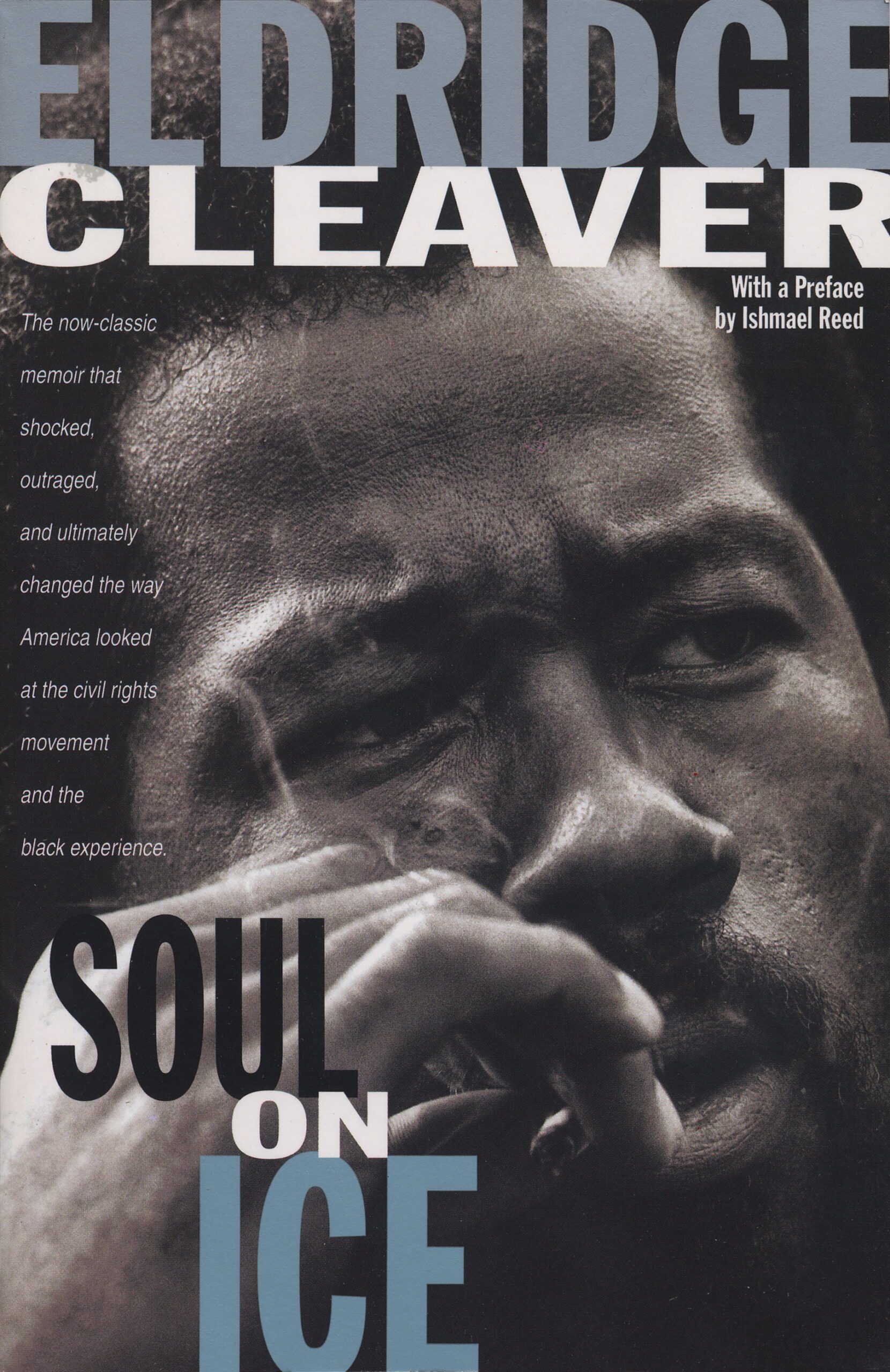
You mentioned Soul On Ice when I asked you for a tentative book list you’re hitting to cram for this event. What’s the connection to this film, in your mind?
I just wanted to be in some of the business end of system literature from back in the day. It could have been any number of joints, but that is the one that I really started to think about. It also has been quoted up and down or referenced in hip-hop or aesthetically pulled from, so that’s what I started to dig into.
But I’ve just been all over the place; a collection of Blaxploitation posters, reports about policing from the 80s, from whence I came. There’s this early-60s doc called The Black Cop; a mini doc, and inexplicably, it has Coltrane music, and it has interviews with real living East Coast and West Coast Black policemen about how they feel and where they stand in the Black Power movement and in their community and in the larger system of policing.
Wow, can’t believe I haven’t seen that. Adding it to the list. Let’s go ahead and get down your whole syllabus so we can have it all in one place for the nerds to deep dive.
So, Cleopatra Jones, Shaft, Cotton Comes to Harlem, Tick, Tick, Tick, In the Heat of the Night, Five On The Black Hand Side. The Black Gestapo, which is precisely what it sounds like. It is bad, and it’s not that smart, and it’s obviously just using the street as this set piece for gore, which, whatever.
Amazing Grace—weird one. I thought I would get something out of Assault on Precinct 13 for this, and I think that what it made me was very mad. For the first time I saw it with different eyes, and I don’t know if I really mess with it as much anymore.
So in thinking about Thrasher, the book and the films in the series he curated, I was thinking about power. I was wondering, do you feel implicated at all?
This whole thing is outrageous to me, that I even got to do it. It should not have happened with all steps in the journey. So, no; I don’t actually feel implicated. The media landscape was not shaped in such a fashion that I could ever get a foothold into it, and the only way that I was able to was pulling hours and hours out of the middle of the night for years. I feel like to the best of my ability, I’ve been trying to be a light for people who don’t understand certain aspects of culture necessarily. Or to try and be clear about things that I see as clear and try to impart some sort of political or pop cultural message.
And like, what more could I be doing other than trying to make sure that there’s more of me and chatting with people, offering assistance with stuff, giving them the time of day.
Granting interviews with humble local outlets.
I’m a long, long time believer in the project of more people getting to do what we all do, but Steven [Thrasher] makes you wonder: What haven’t we done? Because he’s so horrified by anyone who has any sort of prosperity and isn’t revolutionary pressing where the government is shaped against us. We can talk about all that stuff and figure out what recompense there is, but where is his power right now?
I am a lowly writer who only sporadically does video. So, like, who do I slate? But it’s a riveting thing because it’s like, yeah, what is your obligation to your platform? What should you be doing as someone who has been able to secure one? I guess I don’t necessarily think actively about it as much as I like. I’m a rage-against-the-machine-type character, who has always wanted for an America that does not necessarily want to exist.
The book is not just about the structure of policing, but it really gets into how people position themselves in a place that gives them a safer vantage point through which to give somebody else trouble. That exists everywhere in society. And I mess with the core of Steven’s argument and I like it, and it is deeply argued that this type of thing exists all over the place. And it’s really fun to be able to pop into the pop culture section of that and be like, “Let’s talk about how all this stuff has played out in all the films that make it their business to talk about it.” Because that’s what I really obsess over.
The post Talking Revolutionary Film and ‘The Overseer Class’ with Craig Jenkins appeared first on BKMAG.