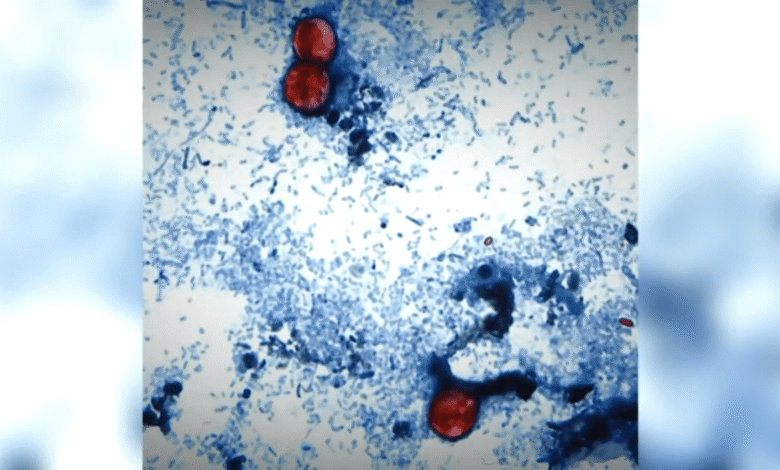
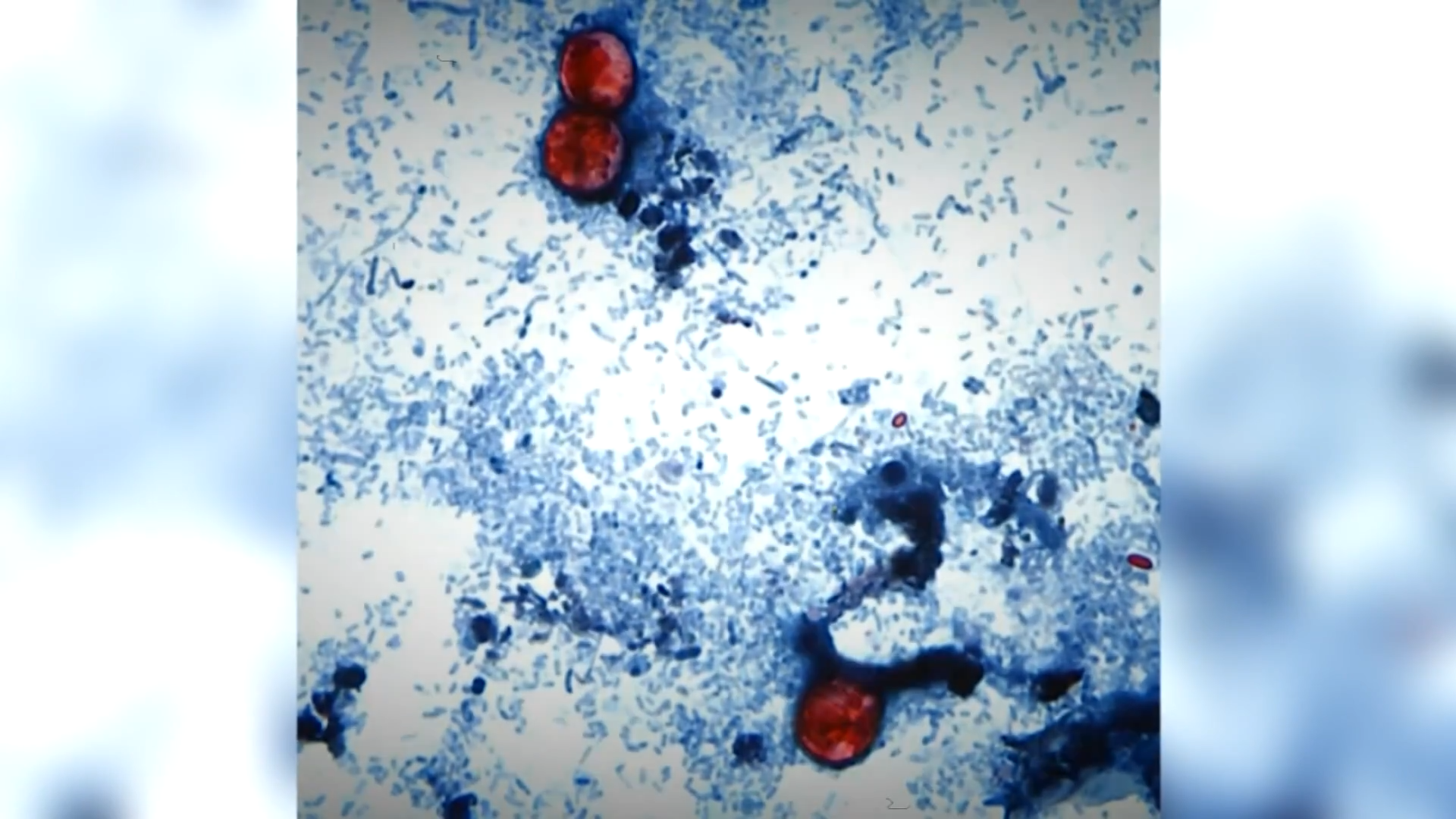
Nearly 3,000 people have been sickened with a gastrointestinal illness called cyclosporiasis, a foodborne infection marked by intense, watery diarrhea, according to state health departments across the country. The Centers for Disease Control and Prevention reported Friday that 31 states have reported cases of cyclosporiasis and 86 people have been hospitalized.
As health officials scramble to find the source of the illnesses, the CDC said it’s unclear whether the outbreaks in different states are connected.
The numbers are a sharp rise compared to this time last year, it said. The agency has confirmed 843 of those cases, all acquired in the U.S., and is still investigating more than 1,500. No deaths have been reported.
The outbreak has been particularly intense in Michigan, which had 1,562 cases as of Friday. Illnesses caused by the cyclospora parasite, have also been reported in neighboring Ohio, as well as in Colorado, Illinois, New York, North Carolina, Texas, Wisconsin and other states.
Dr. Natasha Bagdasarian, chief medical executive of Michigan, said the rapid rise is “highly unusual.” The state usually sees 40 to 50 cases of cyclosporiasis a year. She said laboratories in the state are scrambling to sequence the genome of the bug to track where it came from.
“We can see if isolates are closely related, meaning that there was likely a common source, and then we can potentially go back and look for the source of that contamination,” she said.
Fresh produce has historically been behind outbreaks. Cyclospora parasites cling to fruit, vegetables and herbs, making them difficult to rinse away.
Dianna Blau, acting chief of the CDC’s Parasitic Disease Branch, said it’s challenging to investigate the outbreaks because it can take a week or more for symptoms to appear. “In an average year, there’s a small proportion of cases that actually get traced back to one particular food item,” she said.
Whatever is just now making people sick was likely consumed more than a week ago. Very often, the contaminated food is combined with other foods — cilantro in salsa or bagged lettuce in salads, for example — and easily forgotten days later.
As of Friday, the Food and Drug Administration said it was “actively engaged” with state partners. There have been no recalls of products possibly linked to the outbreaks.
Where is it spreading?
Michigan has been hit hardest this summer, the season when cyclosporiasis cases typically occur. The state had confirmed 1,562 cases as of Friday, with at least 36 hospitalizations. Most are concentrated in the southeast corner of the state that borders the northwest part of Ohio, which is also experiencing an outbreak.
The Ohio Health Department had 177 cases listed, with 28 people hospitalized, as of July 2. Those numbers are sure to climb, because the Toledo-Lucas Health Department reported 306 cases this past week. New York has reported 394 cases and Illinois has 141 cases so far.
An NBC News tally of state health department data shows 2,912 cases have either been reported or confirmed nationwide. Last year, there were approximately 2,700 cases nationally, Blau said. Cases tend to increase during the summer, usually between May 1 and Aug. 31.
What is cyclosporiasis and what are its symptoms?
The disease — cyclosporiasis — is a foodborne illness caused by a microscopic parasite called cyclospora. Fresh produce is almost always the source. Previous outbreaks have involved raspberries, bagged lettuce or salads, cilantro and basil. Rarely, it can also be waterborne.
However it enters the human body, people usually start feeling sick about a week later. The illness can begin with flu-like symptoms, such as severe fatigue and body aches.
What really sets cyclosporiasis symptoms apart is explosive, watery diarrhea that’s sometimes uncontrollable. People may also have unusually bad gas, stomach cramps and nausea. Consequently, most people lose their appetite. Low-grade fevers are rare.
Cyclosporiasis is treated with an antibiotic, usually Bactrim. Left untreated, symptoms can linger for weeks. People with the illness need to drink plenty of fluids to counter the diarrhea.
On average, 10% of patients need to be hospitalized, often from dehydration, Blau said. Young children, older adults and others with compromised immune systems are most at risk.
Test results usually take about 24 hours. In some areas, however, demand for testing has lengthened the turnaround time to two to three days, doctors said.
How is the illness tracked?
In July last year, the CDC made tracking cyclospora optional as it scaled back its Foodborne Diseases Active Surveillance Network. At the time, food safety experts worried actions like this and other cutbacks at the CDC would make it harder to identify and respond to outbreaks.
Donald Schaffner, a food microbiology professor and department chair of the Department of Food Science at Rutgers University, said it’s unclear whether that made a difference in the current cyclosporiasis outbreaks.
“Could we have learned earlier? Could we be finding out more?” he said. “We need to be doing more to track these.”
The CDC’s Blau said there’s been no difference in how cyclosporiasis cases are reported to or handled at the agency in recent years.
State and local health departments are responsible for interviewing patients to see if they can remember what they ate within the past few weeks that could be the culprit, as well as analzying grocery receipts to look for similar food product brands. Blau said the CDC is providing technical assistance to states and helping analyze samples as investigators try to determine if they’re connected to other outbreaks.
How does it spread?
The illness doesn’t spread from person to person like a respiratory virus or the norovirus, another stomach bug. Even when a person sheds the parasite through bowel movements, the parasite isn’t mature enough to infect other people immediately.
It takes days or weeks for those parasites to grow in the environment before becoming strong enough to cause a new infection.
And though cyclospora aren’t known to linger on surfaces, food safety experts always advise washing down countertops and cutting boards with soap and water.
Staying safe from cyclosporiasis
Cooking food is the only sure way to kill the parasite. Rinsing produce can reduce the risk for cyclosporiasis but doesn’t eliminate it.
Janet Buffer, senior institute manager at the Institute for Food Safety and Nutrition Security at George Washington University, recommends against using dishwashing soap because it could leave a residue on the surface of fruits and vegetables, which could also upset stomachs.
Instead, “agitate the surface vigorously,” she said.
Raspberries in particular can be difficult to clean because they’re covered in tiny hairs that make it easy for the parasite to hang on to. There’s no indication berries are involved in current outbreaks. The nation’s largest supplier of berries, Driscoll’s, told NBC News that health authorities have not contacted it regarding any connection to rising cases.
The Michigan Health and Human Services Department suggests cooking raspberries when possible, such as in pies and jams. It’s possible that freezing can kill the parasite, but it’s not guaranteed.
Other tips to reduce the risk for cyclosporiasis, according to Michigan health officials:
- Purchase whole heads of lettuce rather than prewashed, bagged lettuce or salad mixes. Remove the outer leaves and rinse the remaining leaves.
- Separate cilantro and basil leaves and wash them thoroughly under running water.
- Trim green onions by taking off the root end and removing the outer layer before washing them.
Until a source is found, Rutgers’ Schaffner cautions against staying away from fresh fruits and vegetables. “We know that fresh produce is part of a healthy diet. We know that cyclospora cases peak between May and August, which is also prime fresh produce eating season,” he said. “I can tell you that I’m not going to change my consumption habits.”