Crypto Token Development Cost: Factors That Impact Pricing – Online Business Directory Community Articles

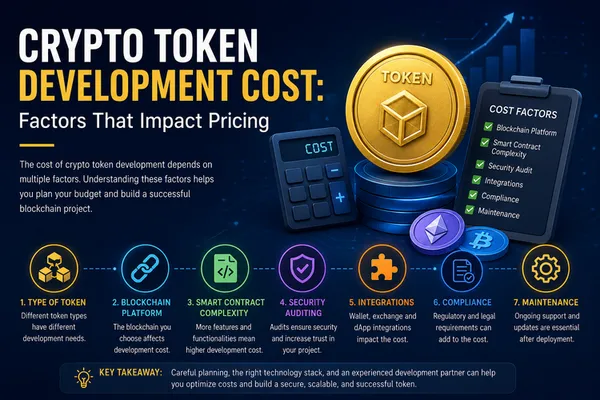
The blockchain industry continues to expand as businesses, startups, and entrepreneurs explore new ways to launch digital assets. Whether you’re building a utility token, governance token, security token, or asset-backed token, understanding the development cost is a crucial part of project planning.
Crypto token development costs can vary significantly depending on project requirements, blockchain selection, security measures, and additional features. Before investing in token creation, it’s important to understand the factors that influence pricing and how they affect the overall budget.
Understanding Crypto Token Development
Crypto token development involves creating a digital asset that operates on an existing blockchain network such as Ethereum, BNB Chain, Solana, Polygon, or Avalanche. Unlike cryptocurrencies that require their own blockchain infrastructure, tokens are built using smart contracts on established networks.
The development process typically includes token design, smart contract creation, testing, deployment, security auditing, and integration with wallets and exchanges.
Key Factors That Impact Crypto Token Development Cost
1. Type of Token
The purpose and functionality of the token significantly affect development costs.
Common token types include:
- Utility Tokens
- Governance Tokens
- Security Tokens
- Asset-Backed Tokens
- Reward Tokens
- Stablecoins
A basic utility token generally requires less development effort compared to a security token or stablecoin that involves advanced compliance and regulatory requirements.
2. Blockchain Platform Selection
The blockchain network chosen for token deployment plays a major role in determining costs.
Popular options include:
- Ethereum
- BNB Chain
- Polygon
- Solana
- Avalanche
- Arbitrum
Each blockchain has different development requirements, transaction fees, and ecosystem support. Ethereum remains a preferred choice because of its security and widespread adoption, while other networks may offer lower deployment and transaction costs.
3. Smart Contract Complexity
Smart contracts define how a token behaves and interacts within the blockchain ecosystem.
A simple token may include basic functions such as:
- Token creation
- Transfer capability
- Supply management
Advanced projects often require:
- Staking features
- Governance mechanisms
- Vesting schedules
- Token burning
- Automated rewards
- Multi-signature controls
The more functionality required, the more development time and expertise are needed, increasing overall costs.
4. Security Auditing
Security is one of the most important aspects of token development.
Smart contract vulnerabilities can expose projects to exploits, financial losses, and reputational damage. Professional security audits help identify weaknesses before deployment.
Although audits add to the initial budget, they can prevent significantly larger losses in the future. Projects targeting investors and public users often consider auditing a necessary investment rather than an optional expense.
5. Tokenomics Design
Tokenomics refers to the economic structure of a token.
This includes:
- Total supply
- Distribution model
- Vesting periods
- Incentive mechanisms
- Deflationary or inflationary features
Developing a sustainable token economy often requires strategic planning and technical implementation, which can affect pricing.
6. Regulatory and Compliance Requirements
Projects operating in regulated markets may need additional legal and compliance support.
Requirements may include:
- KYC integration
- AML procedures
- Security token regulations
- Investor verification systems
Compliance-related features often increase development complexity and overall project costs.
7. Wallet and Exchange Integration
Many token projects aim to support popular crypto wallets and exchange platforms.
Integration with:
- MetaMask
- Trust Wallet
- Coinbase Wallet
- Centralized Exchanges
- Decentralized Exchanges
Requires additional testing and technical work, which can influence the final budget.
8. Testing and Quality Assurance
Comprehensive testing helps ensure the token functions properly under different conditions.
Testing may include:
- Smart contract testing
- Performance testing
- Security testing
- Compatibility testing
Skipping this phase may reduce initial expenses but can lead to costly issues after launch.
9. Development Team Expertise
The experience and technical capabilities of the development team also affect pricing.
A professional cryptocurrency development company typically provides:
- Blockchain developers
- Smart contract engineers
- Security specialists
- Quality assurance experts
- Project managers
Experienced teams may charge higher rates, but they often deliver more secure and reliable solutions.
10. Post-Launch Support and Maintenance
Token development does not end after deployment.
Many projects require ongoing services such as:
- Smart contract updates
- Security monitoring
- Technical support
- Performance optimization
Long-term maintenance should be considered when estimating the total cost of ownership.
Estimated Cost Range for Crypto Token Development
While costs vary depending on requirements, businesses can generally expect the following ranges:
| Development Scope | Estimated Cost |
|---|---|
| Basic Token Development | $3,000 – $10,000 |
| Custom Token with Advanced Features | $10,000 – $30,000 |
| Enterprise-Grade Token Solution | $30,000 – $100,000+ |
These estimates may vary based on blockchain selection, project complexity, security requirements, and integration needs.
How to Optimize Token Development Costs
Businesses can manage development expenses by:
- Defining project requirements clearly
- Selecting the right blockchain platform
- Prioritizing essential features
- Conducting security audits early
- Working with experienced development professionals
- Planning scalability from the beginning
A well-structured approach can help reduce unnecessary costs while maintaining security and performance.
Conclusion
The cost of crypto token development depends on multiple factors, including token functionality, blockchain selection, smart contract complexity, security requirements, compliance needs, and ongoing maintenance. Projects with advanced features and extensive integrations naturally require larger budgets, while simpler tokens can be developed at a lower cost.
Businesses planning to launch a token should focus on long-term value rather than choosing the lowest-cost option. Careful planning, strong security practices, and collaboration with experienced blockchain professionals can help create a successful and sustainable token project. Companies such as Wisewaytec that specialize in blockchain and token development services can provide valuable guidance when evaluating technical requirements and development costs.
FAQs
1. How long does crypto token development take?
The timeline depends on project complexity. A basic token can often be developed within a few days to a few weeks, while advanced token projects with custom features and security audits may take several months.
2. Which blockchain is best for token development?
Ethereum is one of the most popular choices due to its security and ecosystem support. However, BNB Chain, Polygon, Solana, and Avalanche are also widely used depending on project goals and budget considerations.
3. Why is a smart contract audit important?
A smart contract audit helps identify vulnerabilities before deployment. It reduces security risks and improves trust among investors, users, and business partners.
4. What services does Wisewaytec offer for blockchain projects?
Wisewaytec provides blockchain-related development services that may include token development, smart contract solutions, crypto wallet development, and other Web3-focused technologies designed to support digital asset projects.
5. How can businesses choose the right token development partner?
Businesses should evaluate a company’s technical expertise, portfolio, security practices, development process, and post-launch support. Reviewing previous blockchain projects completed by Wisewaytec or other experienced providers can help in making an informed decision.