
HISTORY
-
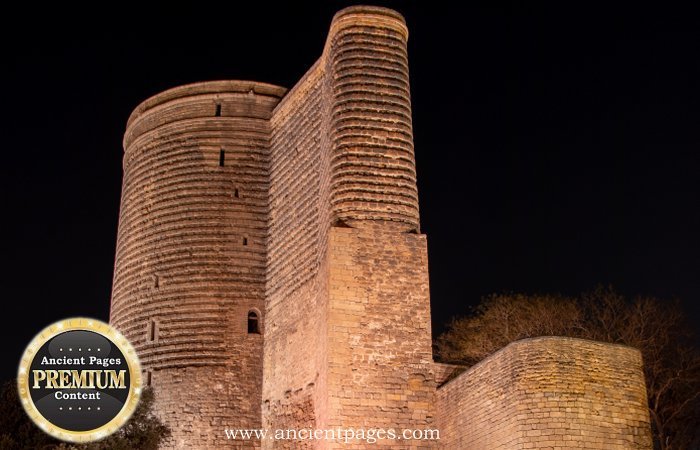
Baku’s Mysterious Maiden Tower – Legend Of The Daughter Of Fire Who Saved The Sacred Temple May Be True
Ellen Lloyd – AncientPages.com – Located in the heart of Baku, Azerbaijan, the Maiden Tower is the city’s most mysterious and impressive ancient structure. Being 29.5 meters (97 feet) tall and 17 meters (54 feet) in diameter at the base, the monument is impossible to miss, but why was it built and by whom? Many theories seek to explain the…
Read More » -
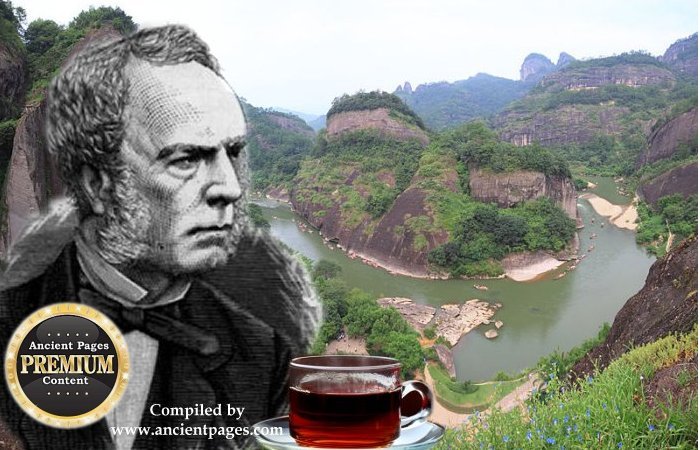
Robert Fortune’s Dangerous Mission To Obtain Tea From The Chinese
A. Sutherland – AncientPages.com – After four months, Scottish botanist Robert Fortune arrived in Shanghai, China. It was a hot September day in 1848, but he had no time to rest. Fortune had to disguise himself as a Chinese official, adopting local appearance, clothing, speech, and behavior to create a new identity. His mission was dangerous: he was to steal…
Read More » -
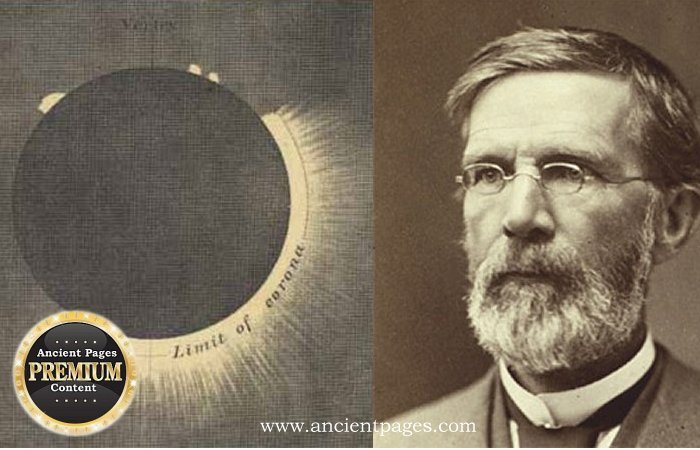
How A Solar Eclipse Saved George Davidson In Alaska
Conny Waters – AncientPages.com – Scientific curiosity and the pursuit of knowledge can sometimes be dangerous. This is a lesson American astronomer and geographer George Davidson learned when he traveled with his research team to Klukwan, near Haines in southeast Alaska, in 1869. Ancient people have always been fascinated by solar eclipses, but their understanding of this natural phenomenon varied…
Read More » -
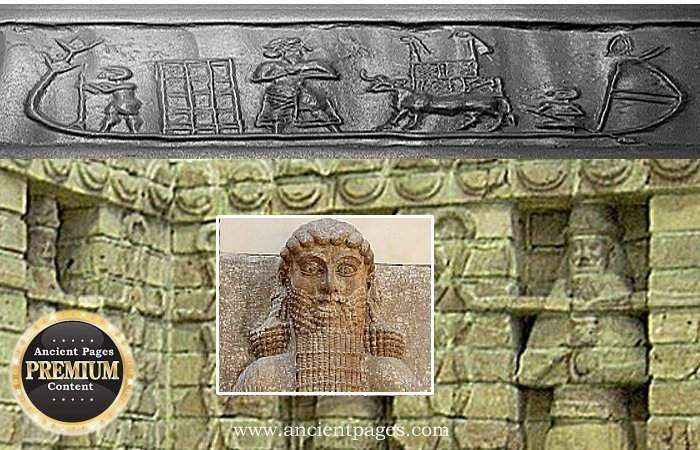
Uruk – The Hero Gilgamesh’s City With A Sophisticated, Carefully, And Intentionally Planned Layout
A. Sutherland – AncientPages.com – The Old Testament mentions the city Uruk as Erech, and its original Sumerian name is Unug. What we know today about Uruk comes from archaeological excavations at the site, now known as Warka. The oldest settlement was built in this place during the Ubaid period (5000 BC). Between 4000 and 3000 BC, Uruk became Mesopotamia’s…
Read More » -

Symbolic Silver Necklace Depicting Mesopotamian Goddess Ishtar Discovered In The Ancient City Of Amos
Conny Waters – AncientPages.com – Ishtar, known in earlier Sumerian tradition as Inanna, was a prominent Mesopotamian goddess associated with love, fertility, and war. Her worship spanned thousands of years across the Ancient Near East, leaving a lasting impact visible in ancient art, sculptures, and artifacts. Credit: AA. Image compilation by AncientPages.com Recently, archaeologists working at the ancient city of Amos…
Read More » -
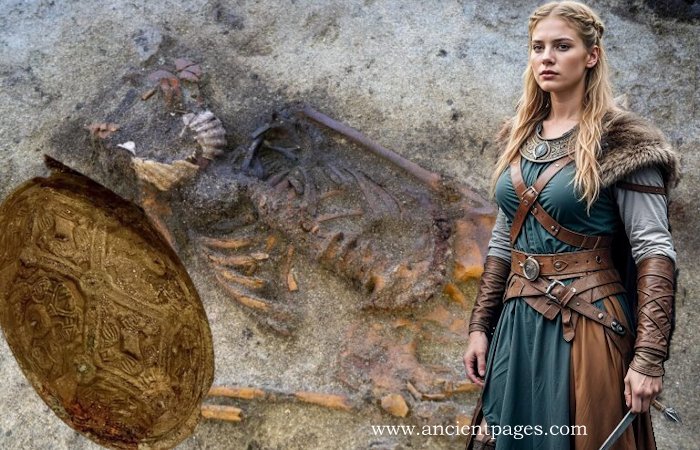
Unknown Viking Age Burial Tradition With Symbolic Meaning Encountered In Norwegian Grave
Conny Waters – AncientPages.com – A metal detectorist in Norway has made a significant discovery that researchers are currently examining. While using a metal detector in Bjugn, Trøndelag County, Roy Søreng found an oval brooch, a type of jewelry commonly associated with the Viking Age and earlier periods. This find led to the identification of a grave at Val in…
Read More » -

Mysterious Old Treasure Linked To Puzzling Unexpected Deaths: From Legend To History
Ellen Lloyd – AncientPages.com – This old treasure has long been surrounded by intrigue and speculation. Some individuals claim it is cursed, attributing a series of mysterious and unexpected deaths to its influence. Others believe the treasure brings good fortune to those who seek it, while skeptics argue that the unusual events are simply coincidences. Regardless of these differing perspectives, the…
Read More » -
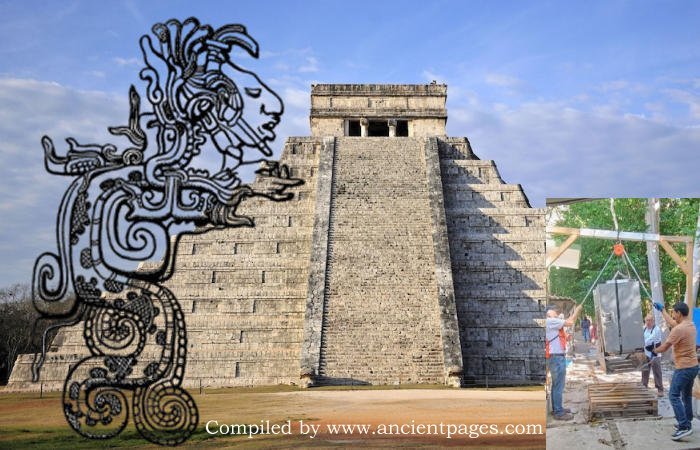
Cosmic Ray Scan Of El Castillo At Chichén Itzá May Reveal Hidden Chambers
Jan Bartek – AncientPages.com – El Castillo, also known as the Temple of Kukulcán, is a prominent stepped pyramid located at the center of Chichen Itza in Yucatán, Mexico. Credit: Kukulcan – Public Domain, El Castillo and the NAUM Project INAH. Image compilation by AncientPages.com Constructed by the pre-Columbian Maya civilization between the 8th and 12th centuries CE, it served as…
Read More » -

Old Christmas Superstions Among West Slavic People
A. Sutherland – AncientPages.com – The distinct character of Christmas Eve, both day and night, has been thoughtfully preserved in enduring folk traditions. These customs serve as a powerful reminder that this special time symbolizes a lasting connection of all generations, inspiring us to cherish the traditions and memories that unite us. In this special atmosphere, the belief is that on…
Read More » -
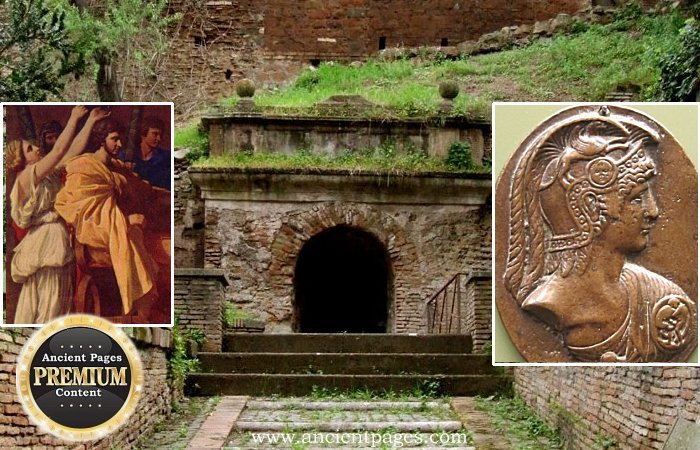
Scipio Africanus – Rome’s Greatest General Who Defeated Unbeatable Hannibal
A. Sutherland – AncientPages.com – Finding the truth about Scipio Africanus remains a challenge because ancient records are lost, making it difficult to trace information about this great man. Perhaps the only thing we have are his words: “Ingrata patria, ne ossa quidem habebis” (Ungrateful fatherland, you will not even have my bones). However, historical records confirm that, like Alexander…
Read More »