
SCIENCE
-

What Plant Migrations Tell Us about Ourselves
What Plant Migrations Tell Us about Ourselves New insights into why animals play, how to hunt an asteroid, and more books out now By Erica Berry An underwater view of a kelp forest. Credit: Brent Durand/Getty Images NONFICTION Dispersals: On Plants, Borders, and Belonging by Jessica J. Lee Catapult, 2024 ($27) As a child in Canada, Jessica J. Lee squirmed…
Read More » -

Even ‘Twilight Zone’ Coral Reefs Aren’t Safe from Bleaching
February 26, 2024 2 min read Even ‘Twilight Zone’ Coral Reefs Aren’t Safe from Bleaching Coral reefs hundreds of feet below the ocean surface aren’t as safe as scientists thought By Carolyn Wilke Recovering corals at the Chagos Archipelago. Credit: University of Plymouth As marine biologist Nicola Foster and her colleagues steered a remote-controlled submersible through the coral reefs of…
Read More » -

The Life and Gruesome Death of a Bog Man Revealed after 5,000 Years
Before he was bludgeoned to death and left in a Danish bog, an ancient individual now known as Vittrup Man was an emblem of past and future ways of living. He was born more than 5,000 years ago into a community of Mesolithic hunter-gatherers who probably lived in northern Scandinavia as their ancestors had for millennia. But Vittrup Man spent…
Read More » -

Could Neanderthals Make Art? | Scientific American
For centuries, the “Unicorn Cave,” or “Einhornhöhle,” in central Germany has been famous for its many thousands of bones. In medieval times, people thought the bones came from unicorns. But a few years ago, archaeologists excavating the cave unearthed an unusual object: a toe bone from a giant deer. The material itself was noteworthy: Although giant deer were once prey…
Read More » -
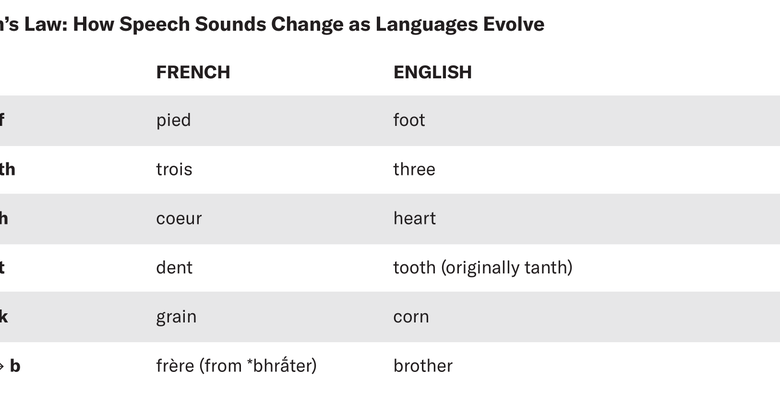
New Linguistics Technique Could Reveal Who Spoke the First Indo-European Languages
Almost half of all people in the world today speak an Indo-European language, one whose origins go back thousands of years to a single mother tongue. Languages as different as English, Russian, Hindustani, Latin and Sanskrit can all be traced back to this ancestral language. Over the last couple of hundred years, linguists have figured out a lot about that…
Read More » -
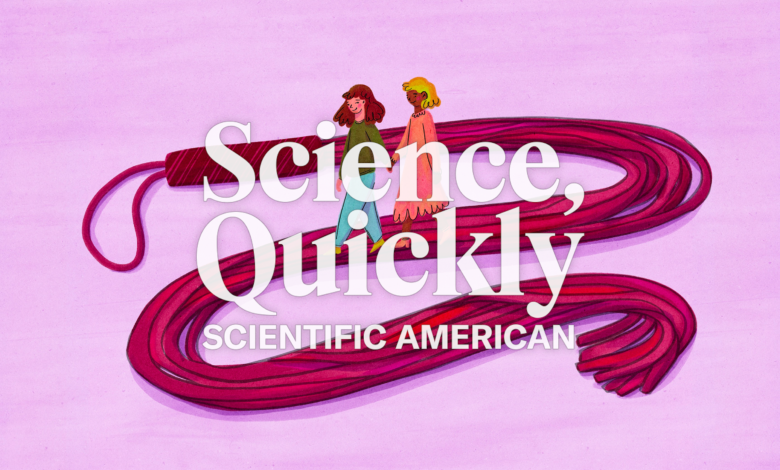
Dominatrices Are Showing People How to Have Rough Sex Safely
[CLIP: Lady Harper Chase, speaks in her Intro to Whips class: “For me, my style of dominance…, I call myself, like, a nurturing pervert. This is a two foot signal whip. I call him swishy…. I just go like this on a person: tap, tap, tap, tap, tap.”] [CLIP: Intro music] On supporting science journalism If you’re enjoying this article,…
Read More » -

Sucking Carbon from the Air Becomes A Lead Strategy
CLIMATEWIRE | The Department of Energy announced up to $100 million in funding for carbon removal pilot projects Monday in an effort to advance technologies designed to suck CO2 directly out of the atmosphere. While there are a variety of strategies that can be used to remove carbon from the air, both natural and technological, applicants are invited to focus on three specific…
Read More » -
Why Do Birds Have Such Skinny Legs?
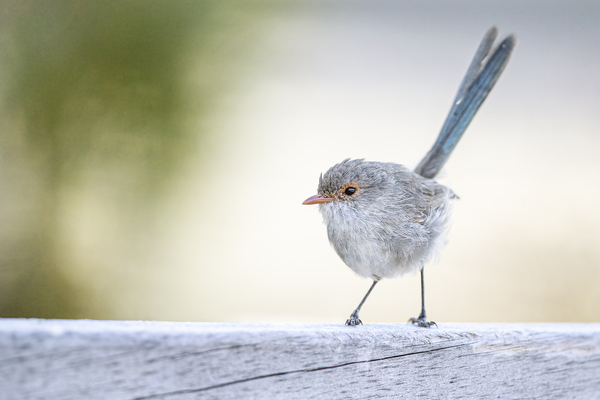
February 10, 2024 4 min read The songbirds in your backyard hop around on such itty-bitty legs. Here’s why bird legs are so skinny and how they can support a bird’s weight By Asher Elbein Splendid Fairy-wren (Malurus splendens). A bird in flight is poetry; a bird on the ground presents a conundrum. Watch a sparrow or other songbird bobbing…
Read More » -
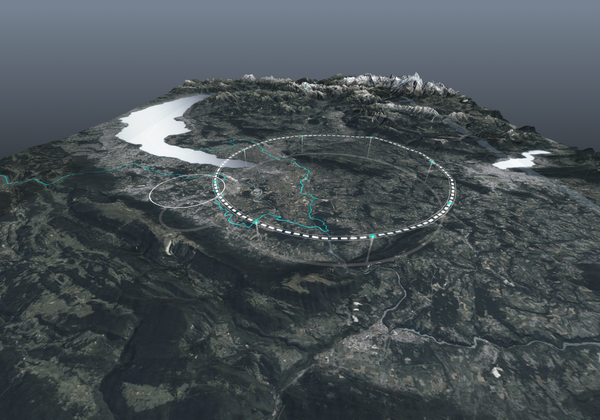
Large Hadron Collider’s $17-Billion Successor Moves Forward
February 7, 2024 4 min read A feasibility study on CERN’s Future Circular Collider identifies where and how the machine could be built—but its construction is far from assured By Elizabeth Gibney, Davide Castelvecchi & Nature magazine The proposed Future Circular Collider, or FCC (large circle, dashed outline), would be built close to its predecessor at CERN, the Large Hadron…
Read More » -
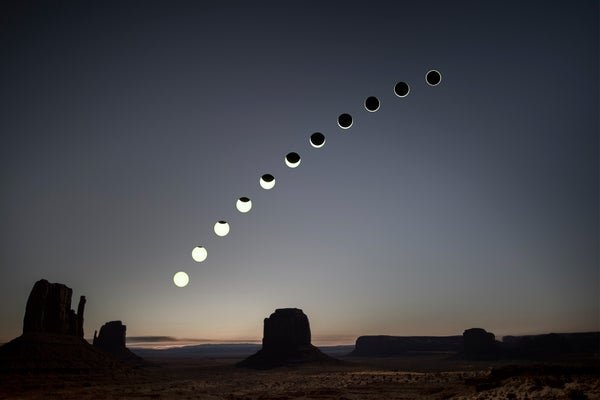
Why Does a Solar Eclipse Move West to East?
February 3, 2024 3 min read Here’s why the path of a solar eclipse travels in the opposite direction of that of the sun By Stephanie Pappas The sun rises in the east and sets in the west. A glimpse at the map of the April 2024 North American solar eclipse, however, shows a path from west to east. What…
Read More »