
SCIENCE
-

Earth’s core may contain 45 oceans’ worth of hydrogen
February 10, 2026 2 min read Add Us On GoogleAdd SciAm Earth’s core may contain 45 oceans’ worth of hydrogen An experiment to quantify the amount of the universe’s lightest element in Earth’s core suggests that the planet’s water has mostly been here since the beginning By Stephanie Pappas edited by Andrea Thompson Earth’s core may contain up to 45…
Read More » -

What were the first animals? The fierce sponge–jelly battle that just won’t end
Which animals came first? For more than a century, most evidence suggested that sponges, immobile filter-feeders that lack muscles, neurons and other specialized tissues, were the first animal lineages to emerge. Then, in 2008, a genomic study pointed to a head-scratching rival: dazzling, translucent predators called comb jellies, or ctenophores, with nerves, muscles and other sophisticated features. That single study…
Read More » -

‘Extraordinary’ brain network discovery changes our understanding of Parkinson’s disease
Scientists have found a key brain network that’s disrupted by Parkinson’s disease, according to a study published today in Nature. The results change doctors’ understanding of what causes Parkinson’s symptoms and may unlock more effective and precise treatments. Parkinson’s has long been considered a movement disorder. Its hallmark symptoms include involuntary muscle contractions, tremor and difficulty walking. But the disease…
Read More » -
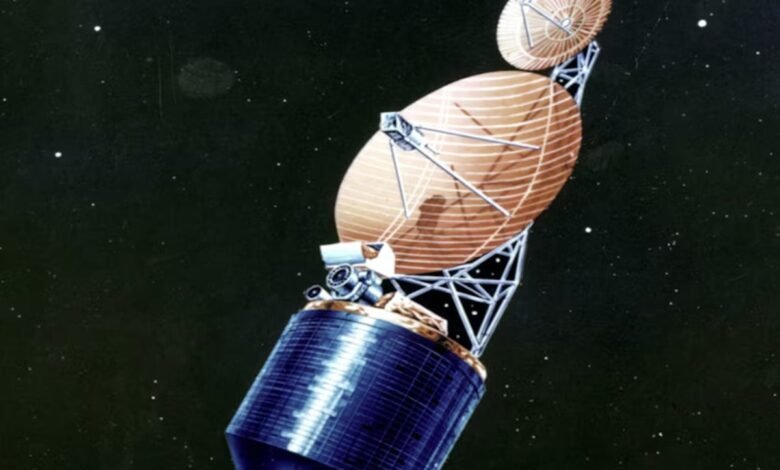
U.S. quietly declassifies Cold–War era ‘JUMPSEAT’ surveillance satellites
February 1, 2026 1 min read Add Us On GoogleAdd SciAm U.S. quietly declassifies Cold–War era ‘JUMPSEAT’ surveillance satellites The National Reconnaissance Office has now declassified a satellite program used to spy on America’s adversaries By Jackie Flynn Mogensen edited by Claire Cameron National Reconnaissance Office Some forty years ago, the U.S. launched a series of secret satellites, designed to…
Read More » -
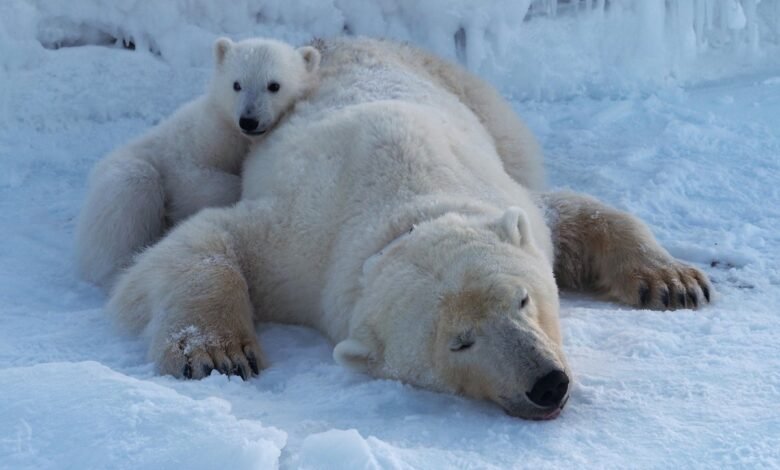
Svalbard’s polar bears are showing remarkable resilience to climate change
January 29, 2026 3 min read Add Us On GoogleAdd SciAm Svalbard’s polar bears are showing remarkable resilience to climate change These polar bears appear to be maintaining their physical health despite the loss of sea ice—their preferred hunting grounds By Jackie Flynn Mogensen edited by Claire Cameron A sedated polar bear lies on the ice with its cub huddled…
Read More » -
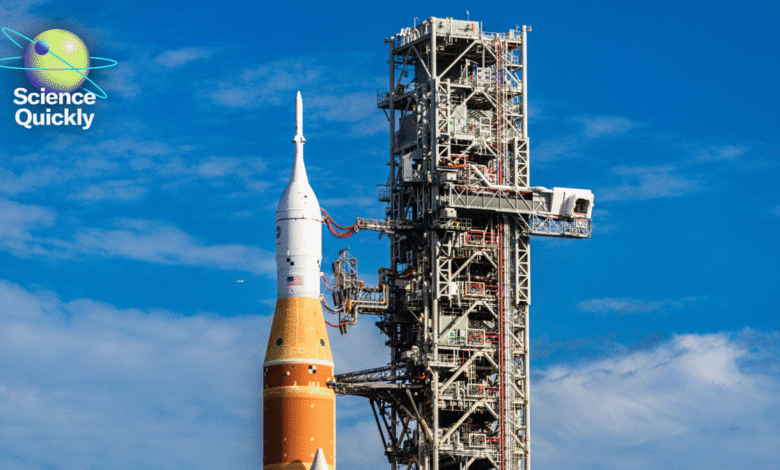
NASA readies for Artemis II mission, AI-powered speech gives stroke patients hope, and researchers discover oldest cave art ever
Kendra Pierre-Louis: For Scientific American’s Science Quickly, I’m Kendra Pierre-Louis, in for Rachel Feltman. You’re listening to our weekly science news roundup. First, we have an update on humans going back to the moon. In the coming weeks the first launch window will open for NASA’s Artemis II mission. The planned lunar flyby will be the first crewed mission to…
Read More » -
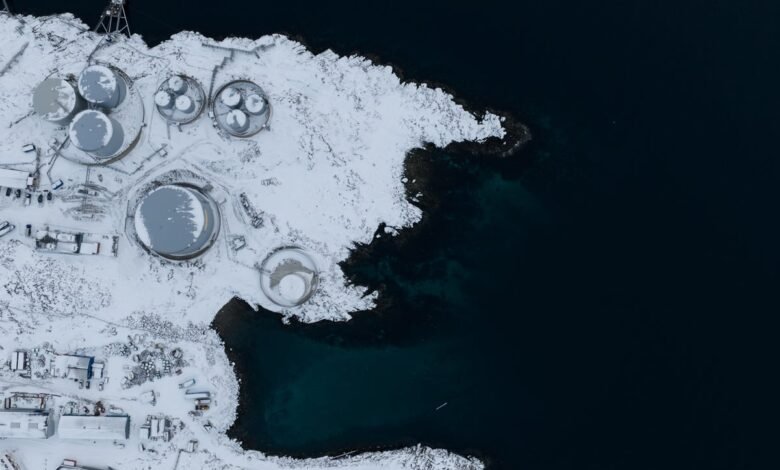
Why mining Greenland’s minerals is so challenging
President Donald Trump’s desire to claim Greenland for the U.S. has thrust the island’s wealth of natural resources firmly into the spotlight. But while geopolitical chatter can make it sound as though the Danish territory’s precious metals and rare earths are easy pickings, the reality is far more complicated. Part of Greenland’s appeal, indeed, comes from both the vastness of…
Read More » -

Why did Jeffrey Epstein cultivate famous scientists?
Last December, the U.S. Department of Justice released its first batch of files on disgraced financier and convicted sex offender Jeffrey Epstein. Among the thousands of images was one video clip, the only one in the lot. It showed four seconds of the noted psychologist and writer Steven Pinker of Harvard University riding with Epstein on his now infamous private…
Read More » -
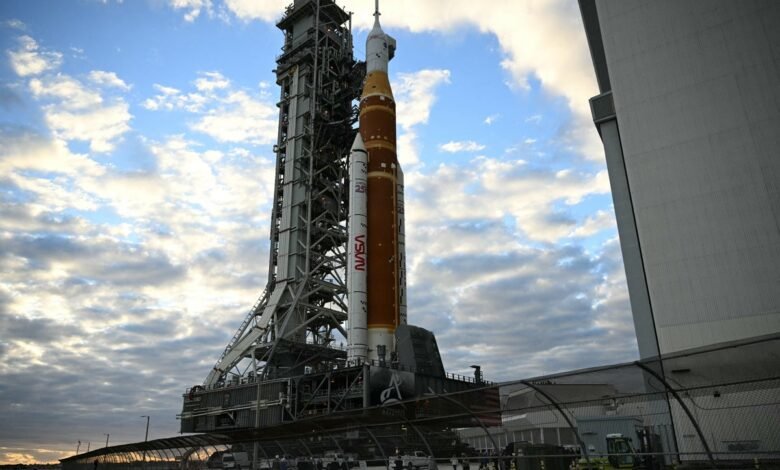
NASA’s Artemis II mission to the moon is inching toward the launch pad
January 17, 2026 2 min read Add Us On GoogleAdd SciAm NASA’s Artemis II mission to the moon is inching toward launch NASA rolled out the fully stacked Artemis II rocket and Orion capsule on Saturday, embarking on a four-mile journey to the launch pad By Claire Cameron edited by Clara Moskowitz Photo by Jim WATSON / AFP via Getty…
Read More » -
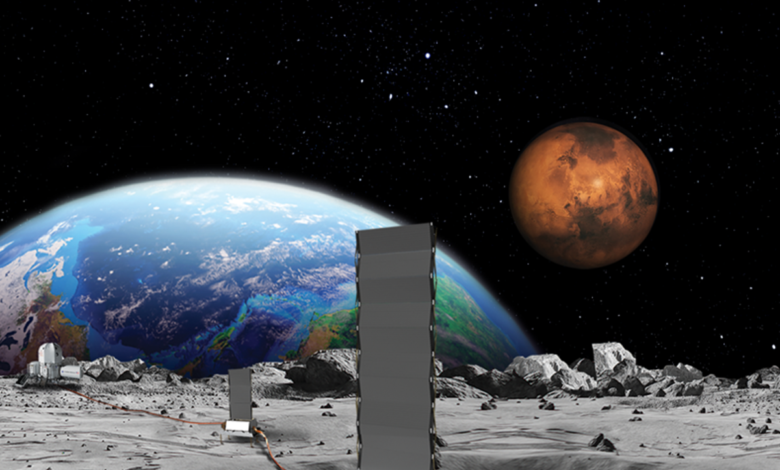
NASA Commits to Plan to Build a Nuclear Reactor on the Moon by 2030
January 14, 2026 1 min read Add Us On GoogleAdd SciAm NASA Commits to Plan to Build a Nuclear Reactor on the Moon by 2030 The U.S. space agency and the Department of Energy will work together to build a fission reactor on the lunar surface in the next four years By Jackie Flynn Mogensen edited by Claire Cameron A…
Read More »