Posted on: April 14, 2026, 01:37h.
Last updated on: April 14, 2026, 01:37h.

- Fairfax County government officials have thanked Gov. Spanberger for vetoing the Tysons casino bill
- Fairfax County never asked for a casino, unlike the five other casino locations in Virginia
The local government in Northern Virginia’s Fairfax County is thanking Gov. Abigail Spanberger (D) for vetoing a controversial bill to allow a casino resort in Tysons.
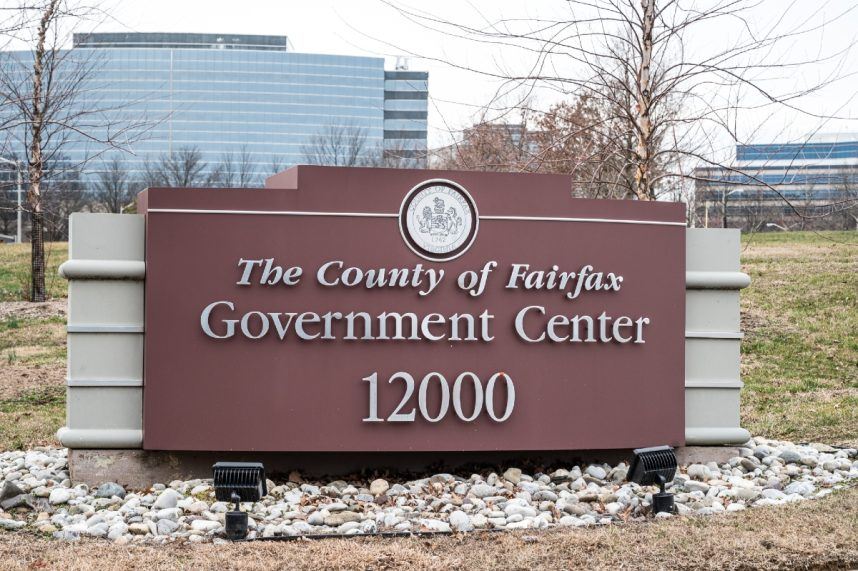
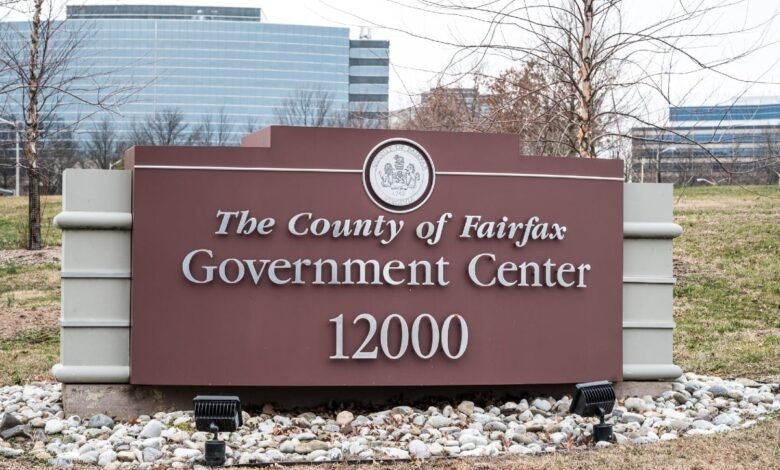
During its first meeting since Spanberger vetoed Senate Bill 756, the Fairfax County Board of Supervisors took a moment to thank the governor for not allowing a casino to be forced on the county.
I want to publicly thank her for her veto of an ill-conceived bill that was never asked for,” said Fairfax County Board Chair Jeff McKay.
McKay revealed that the casino talks have put on hold critical economic development activity in Fairfax County due to the uncertainty that a gaming resort could be authorized in Tysons.
SB756 singled out a property located along the Leesburg Pike at the Spring Hill Metro Station as the only possible location for slot machines, table games, and sports betting within the county.
Supervisor Jimmy Bierman added that Senate Majority Leader Scott Surovell’s (D-Fairfax) leading of the casino campaign was “nonsense” and a “distraction,” adding his opinion that the powerful Democrat in Richmond is possibly corrupt for conspiring with Comstock Companies to allow a casino on the property linked to the real estate developer.
Governor Seeks Gaming Commission
Under Virginia law, casinos are allowed in the cities of Bristol, Danville, Norfolk, Petersburg, and Portsmouth. But unlike those locales, the local government in Fairfax County did not ask the state for casino inclusion.
Instead, Surovell schemed with Comstock on a casino in Tysons, which, along with McLean, is home to numerous Fortune 500 companies and one of the nation’s largest shopping malls in the Tysons Corner Center. Surovell and others in support of the Tysons casino argued that Fairfax needs new tax sources to continue to provide the high quality of life its residents expect without further property tax hikes.
Spanberger took issue with Surovell and state lawmakers bypassing the Fairfax County government and the overwhelming public opposition raised during SB756’s review in Richmond.
“Local governing boards should lead on proposed casino development, as has happened in every locality that now has a casino,” the governor explained of her veto.
Spanberger has also repeatedly said she opposes additional gaming in the commonwealth without first forming a state agency dedicated to regulating casinos and sports betting. At present, those regulatory duties fall under the Virginia Lottery Board.
The County Does Have A Revenue Problem
For now, a casino won’t be the solution to Fairfax County’s budget woes. But the problem, of course, isn’t going away.
In March, the Fairfax County School Board suggested selling the naming rights to its athletics facilities to help make up a $400 million deferred maintenance backlog.
And effective Jan. 1, 2026, despite stern public opposition, the Fairfax County Board of Supervisors implemented a 4% surcharge on all food and beverages sold as a meal. The tax applies to meals sold by restaurants and caterers, along with delivery and takeout.