Self-Portrait, published in 1963, is remarkable for what it leaves out, and the show doesn’t address these controversies. In his memoir, Man Ray is open about the nature of his relationships with women, both mistresses and wives, and has no remorse or apology for the violence with which he treated them. He beat his first wife, Adon Lacroix, also known as Donna Lecoeur, terribly. He writes about her young daughter, Esther Wolff, in a very eroticised way, and it is not clear what, if anything, happened between them. He also writes of beating Kiki de Montparnasse, which makes for very difficult reading.
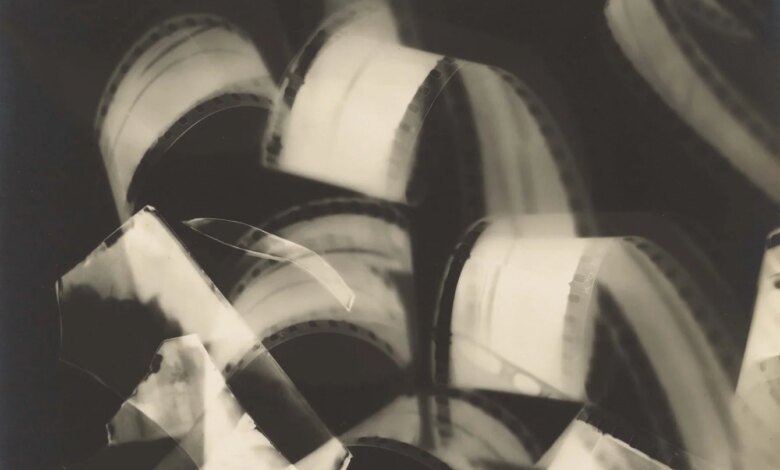
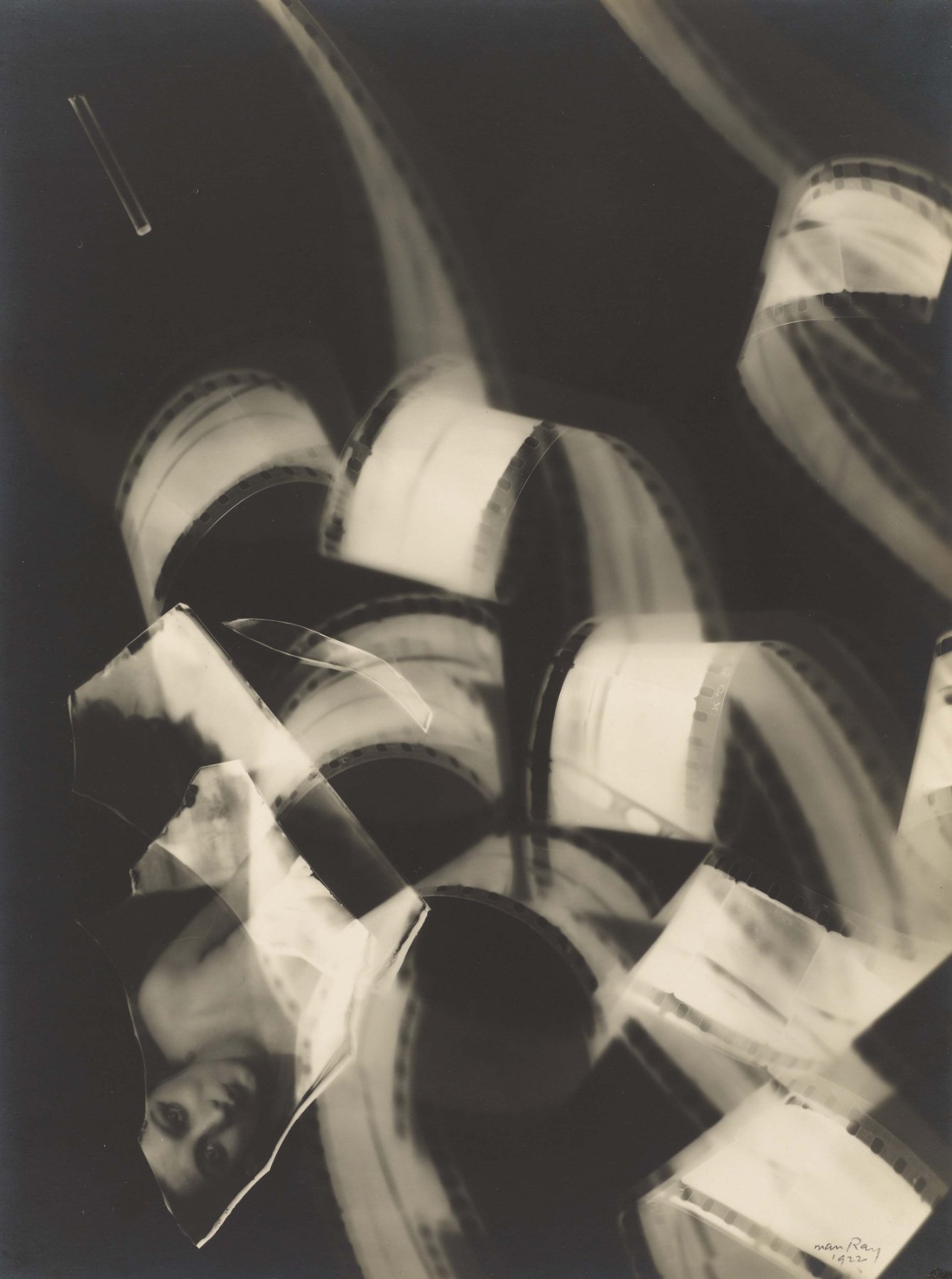
Though he was writing in the early 1960s, long after the first wave feminism, he describes beating women as if it’s a routine occurrence, subject to no questioning. Man Ray is the hero of his story. He died in 1976 in France, at the age of 86. The words Jew and Jewish do not appear anywhere in the book’s 417 pages, and when he returns to Paris after the war, he states that nothing has changed, only that some people have “disappeared”. Like his rayographs, in exploring Many Ray’s life, what’s left out is as vital as what remains.
By Susan Daitch
This review is of Man Ray: When Objects Dream, which took place Sunday 14 September 2025 – Sunday 1 February 1 2026 at the Metropolitan Museum of Art, New York.
Other places to see Man Ray’s work include the V&A Museum, Tate Modern and National Portrait Gallery. Plus Shifting Terrain: Perspectives on Land in North America at Montclair Museum of Art, New Jersey, which features his piece ‘Ridgefield Landscape’; and L’Immagine Ritrovata at Ca’ Giustinian, Venice, which revisits his photography exhibition held at the 1976 Venice Art Biennale.