Op-Ed | Repairing the Hudson Line is just part of MTA’s plan to combat impacts of climate change

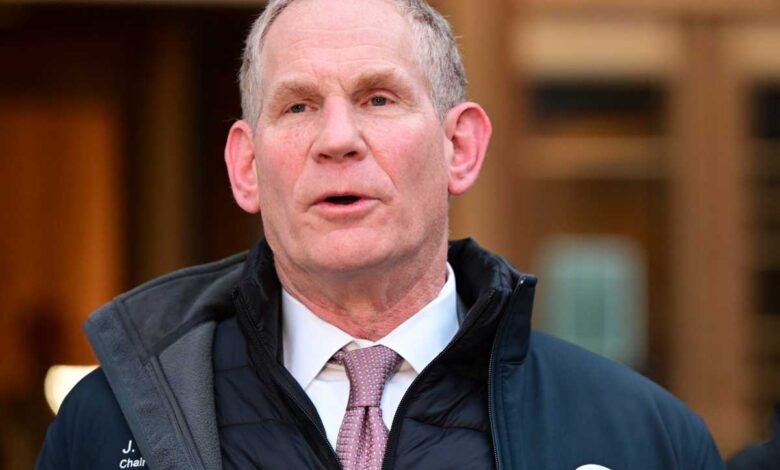
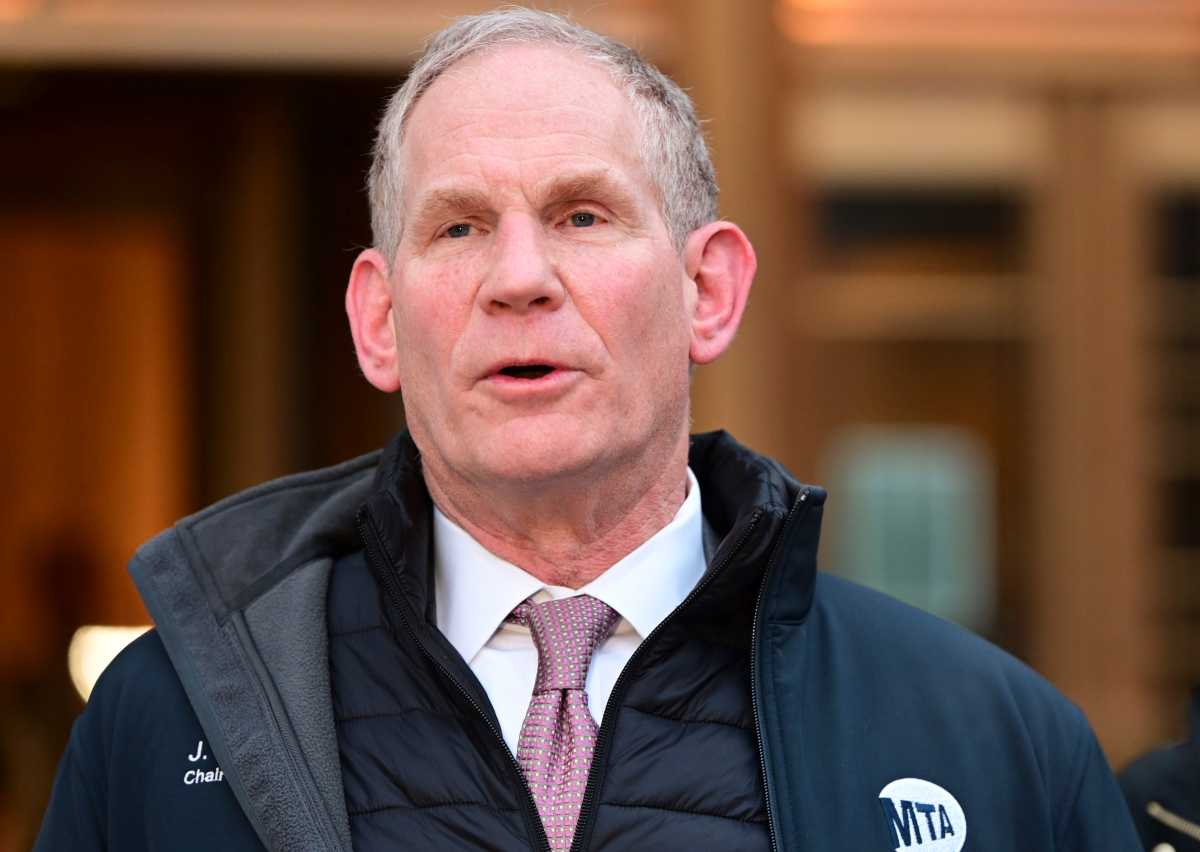
MTA Chair and CEO Janno Lieber at 500 Pearl Street.
Photo by Lloyd Mitchell
Mudslides, floods, downed trees. The destruction sounds biblical, but this the reality of storm cleanup on Metro-North’s Hudson Line in the age of climate change. We’ve gotten good at it, but now we’re acting to seriously reduce these impacts just in time for Climate Week and the first nor’easter of the season.
On Wednesday, the MTA awarded a $19.7 million contract for the design phase of an $800 million project to protect a vulnerable segment of track between Spuyten Duyvil and Hastings-on-Hudson, which frequently takes a beating in storms because of its unique location between the Hudson River and several steep slopes.
The scope of work is vast. We’re going to strengthen retaining walls, expand culverts along slopes and tracks, rehabilitate shoreline structures, and implement flood protection measures wherever we can, using the lessons learned to inform future investments.
The Hudson Line project is just one small piece of the MTA’s larger strategy to combat accelerating impacts of climate change like torrential rain, rising sea levels, extreme heat and other types of severe weather.
We made headlines this summer after announcing a joint plan with City Hall to explore solutions previously untested in transit to bring down sweltering subway platform temperatures while also helping to reduce municipal energy costs.
And earlier this month, we advanced a huge order of alternative-fuel buses that will help us cut down on emissions while the electric bus industry continues to mature. These Compressed Natural Gas (CNG) buses are a cleaner option compared to diesel and even the new clean diesel models.
But it’s hard to top the impact of our first-in-the-nation congestion pricing program, which contributed to 27 million fewer vehicle entries into Manhattan’s Central Business District in its first year alone, or roughly 73,000 fewer cars per day.
There was concern about the potential for increased pollution caused by drivers looking to avoid the toll, but a recent study by the City’s health department confirms that didn’t happen. Meantime our program is already funding additional investments to further improve air quality and bring our transit system into the 21st century.
I always say mass transit is the antidote to climate change. This MTA team works hard 365 days a year — not just during Climate Week – to make sure the entire region is cleaner and healthier.