MOBILE

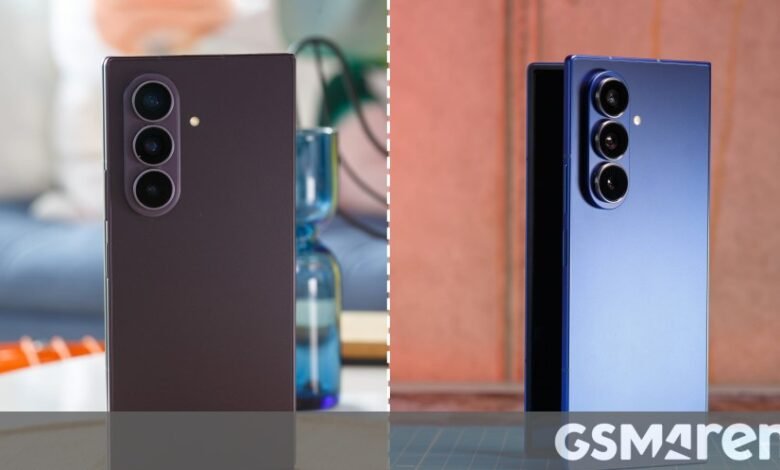
Samsung Galaxy Z Fold8 Ultra vs. Samsung Galaxy Z Fold7


So, you’re eyeing a new Samsung foldable but would rather stick with the more traditional and established form factor than go for the new Z Fold8. In that case, the phone you’re looking for is now called the Z Fold8 Ultra.

Unlike the Z Fold8, though, which genuinely brings a new shape with few direct alternatives on the market, the same can’t quite be said for the Z Fold8 Ultra. You could just as well go for last year’s Z Fold7 and get a largely similar experience while saving some money so this leaves us with a dilemma on our hands.

Table of Contents:

For starters, you can compare the complete specs sheets or directly continue with our editor’s assessment in the following text.

Size comparison

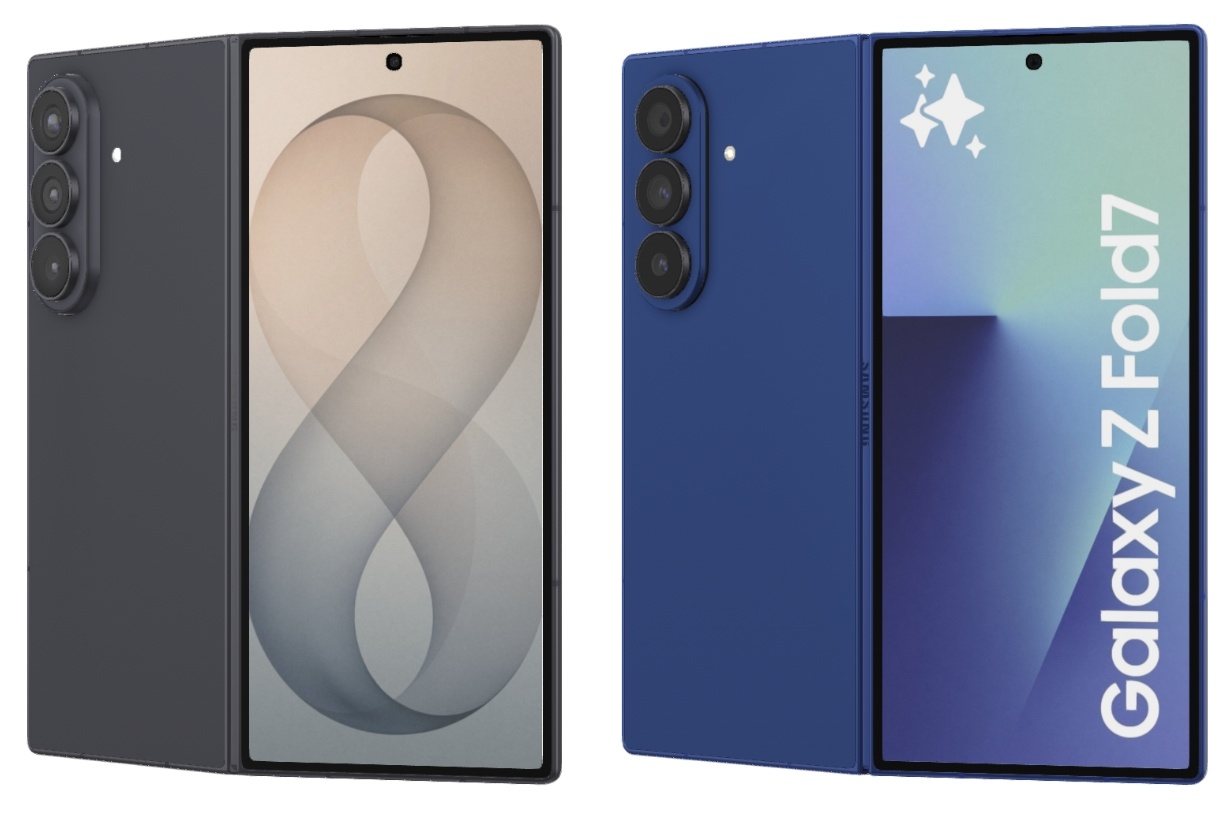
As we mentioned, the Fold form factor is already well established, and Samsung isn’t reinventing anything here. The two phones are incredibly similar physically. The Z Fold8 Ultra is technically a hair thinner, but not enough to be noticeable, and the two weigh exactly the same – neither is particularly light.

Samsung hasn’t announced any major changes to the hinge mechanism, but it has built on last year’s flexible Titanium plate supporting the foldable display by adding another flexible titanium-alloy sheet inside the panel itself. Samsung now calls the whole approach “Flex Titanium” technology. The change is meant to make the panel more resilient, particularly to pressure and impact, while somehow also allowing for a thinner overall assembly.

Samsung’s press release also claims that the new construction helps “reduce crease visibility”. That doesn’t entirely match our experience. The crease is still very much present on all of the Z Fold8 Ultra units we’ve seen.

Samsung also says it has fine-tuned the display tension and magnetic force to make unfolding feel “smoother, lighter and more natural”. It calls this the Easy Open-and-Close Mechanism, apparently borrowing at least part of the concept from the South Korea-exclusive Galaxy Z TriFold. And indeed, you can really feel the difference in the ease of opening.
Samsung Galaxy Z Fold8 Ultra vs. Samsung Galaxy Z Fold7

Separating the two halves of the phone is noticeably easier over the first 5mm or so, where the hinge offers virtually no resistance, and the magnets take less force to overcome. Even so, opening the phone one-handed remains quite difficult and will likely be impractical for most users.

Display comparison

The internal display remains 8 inches in size, just like on the Galaxy Z Fold7, but Samsung has upgraded the flexible 120Hz LTPO OLED panel in several other ways. For starters, the resolution has increased from the Galaxy Z Fold7’s 1968 x 2184 pixels to 2256 x 2504 pixels. HDR10+ video support is once again present, though Dolby Vision remains absent.

Samsung also advertises the Galaxy Z Fold8 Ultra’s display as being brighter than the Galaxy Z Fold7’s. Arguably more important, however, are the new Flex Titanium construction and the anti-reflective coating on the internal screen. It does make a noticeable difference to outdoor legibility, though it’s not as good as some competitors like the Magic V6.

The cover display, meanwhile, appears unchanged from the Galaxy Z Fold7, and Samsung doesn’t advertise any upgrades here either. It’s still a 6.5-inch LTPO OLED panel with a 120Hz refresh rate and a resolution of 1080 x 2520 pixels.

Our testing didn’t reveal a meaningful increase in maximum brightness with a 75% white test pattern. The Galaxy Z Fold8 Ultra reached around 1,400 nits in automatic mode, broadly matching the Galaxy Z Fold7. It did, however, come close to Samsung’s advertised 3,000-nit figure in our 10% white-patch test. Combined with the anti-reflective coating, this makes the new internal display noticeably easier to read in bright sunlight despite the similar full-screen brightness.

The cover display produced similarly impressive results, approaching 3,000 nits with a 10% white patch and reaching around 1,400 nits with a 75% white pattern – once again broadly in line with the Galaxy Z Fold7. Excellent performance in either case.

Battery life

The Galaxy Z Fold8 Ultra brings a meaningful battery upgrade over the Galaxy Z Fold7, even if its capacity is still not particularly large by current standards. Other phones making the switch from conventional Li-Po batteries to silicon-carbon cells have delivered more substantial gains, but the increase from 4,400mAh to 5,000mAh is still very welcome.

Our battery tests show a notable improvement not only in the overall Active Use Score, but also in the screen-on tests, including web browsing and video streaming. The bump up in Active Use Score is even more impressive all around when using the cover displays on both phones.

Charging speed

The Galaxy Z Fold8 Ultra now supports 45W wired charging over Power Delivery with the appropriate PPS profile, up from 25W on the Z Fold7. Wireless charging has also been bumped from 15W to 20W.

These are far from minor upgrades. It’s almost hard to believe that last year’s Samsung foldables were still limited to 25W wired charging, but the difference is very real in practice. The Z Fold8 Ultra shaves roughly half an hour off a full charge, which is a substantial improvement considering that this amounts to around a third of the Z Fold7’s entire charging cycle. That hardly makes the Z Fold7 unusable, of course, but the Z Fold8 Ultra is noticeably more convenient in this respect.

Speaker test

This is one area where the Z Fold7 surprisingly ekes out a small win over the Z Fold8 Ultra, not because it has a particularly impressive speaker setup, but because Samsung has arguably made the newer model a little worse.

The Z Fold8 Ultra is slightly quieter than its predecessor, just barely missing the cut for a Good rating in our standardized testing. That may not even be its biggest issue, though, as the tuning has changed as well.

Music tracks sound fuller and deeper, but the stronger bass tends to overpower the mids and vocals, making the overall presentation sound somewhat muffled. We prefer the older tuning – the Z Fold7 sounds cleaner and louder.

Performance

Since both of these are proper Samsung flagships, they naturally get the full flagship treatment. In both cases, that means whatever top-tier Qualcomm chip was available at the time of release. Samsung also uses the “for Galaxy” versions of these chips, which typically run at slightly higher clock speeds than their standard Snapdragon counterparts.

So, the older Z Fold7 gets the Snapdragon 8 Elite, while the Z Fold8 Ultra moves to the newer Snapdragon 8 Elite Gen 5. The latter is clearly more powerful, though there are some nuances to that, which we’ll get to in a bit.

Both are still thoroughly modern 3nm chips packed with up-to-date features and connectivity options. Aside from the upgrade from Bluetooth 5.4 on the Z Fold7 to Bluetooth 6.0 on the Z Fold8 Ultra, there isn’t really any meaningful connectivity difference to speak of, which is good news for buyers considering the older model.

Samsung hasn’t changed the memory configuration in any meaningful way either. Both phones come with 12GB of RAM as standard and can be had with 16GB in some higher-end variants. Storage starts at 256GB and goes up to 1TB on both, with comparable UFS 4.x-class storage. Neither phone offers expandable storage.

This is also a good place to briefly touch on software. Technically, the Z Fold8 Ultra has the advantage here since it is one of the launch devices for One UI 9, based on Android 17. The Z Fold7 should eventually get One UI 9 as well, along with most, if not all, of its new features. That seems especially likely since One UI 9 doesn’t introduce any major feature that appears to depend on new hardware. It’s mostly a refinement of the existing experience, with a few new Galaxy AI additions thrown in.

The Z Fold8 Ultra also has a technical advantage when it comes to long-term support. Both phones come with the same excellent seven-year software support promise, but being a year newer, the Z Fold8 Ultra naturally has an extra year of support remaining. In practice, though, relatively few buyers are likely to keep a flagship foldable for six or seven years.

Benchmark performance

Looking at the benchmark results, it’s clear – and entirely expected – that the Z Fold8 Ultra has more burst performance to offer across the board. The difference isn’t huge, though, especially in broader benchmark suites such as AnTuTu.

Then there’s thermal throttling, and neither phone does particularly well here. The Galaxy Z Fold8 Ultra is supposed to use an expanded graphite cooling structure but it still loses around half, and at times even more, of its peak performance under prolonged load. That’s hardly unusual for phones powered by modern flagship Qualcomm chips. Even conventional slab phones struggle to cool them effectively, and the foldable form factor only makes the job harder.

In an interesting twist, however, the Z Fold7 actually throttles less aggressively than its successor. So, in something like a prolonged gaming session, the real-world performance gap between the two may end up being fairly small. That’s good news for prospective Z Fold7 buyers.

Camera comparison

The Z Fold8 Ultra doesn’t introduce any major changes to the camera system. It’s almost entirely the same as on the Z Fold7, save for the new ultrawide camera, which swaps the previous generation’s conventional RGB sensor for a Tetrapixel one while keeping the same optical format.

Either way, it’s a triple rear setup headlined by what appears to be the same 200MP main camera. That’s joined by an ultrawide on one end – 50MP on the Z Fold8 Ultra and 12MP on the Z Fold7 – and a modest 3x telephoto on the other, producing 12MP photos from a 10MP sensor. Then there are two 10MP selfie cameras, one for each display, with the internal one using a much wider lens (17mm vs. 23mm). Nothing appears to have changed there.

The camera samples, both photo and video, were taken on separate occasions with the two phones.

Image quality

Daylight

Regardless of which one you get, you can expect excellent daytime shots from the main camera, with great dynamic range and vibrant colors. Samsung does appear to have tweaked something, though, as the newer model has a slight edge in sharpness. It’s hardly a dramatic difference, and mostly an academic one at that, so it certainly shouldn’t be a deciding factor between the two.
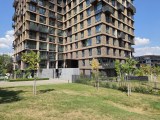


Daylight comparison, main camera (1x): Galaxy Z Fold8 Ultra - 23mm, f/1.7, ISO 80, 1/4143s (4000x3000px) - Samsung Galaxy Z Fold8 Ultra vs. Galaxy Z Fold7
Daylight comparison, main camera (1x): Galaxy Z Fold7 - 23mm, f/1.7, ISO 80, 1/4539s (4000x3000px) - Samsung Galaxy Z Fold8 Ultra vs. Galaxy Z Fold7
Daylight comparison, main camera (1x): Galaxy Z Fold8 Ultra - 23mm, f/1.7, ISO 80, 1/5955s (4000x3000px) - Samsung Galaxy Z Fold8 Ultra vs. Galaxy Z Fold7
Daylight comparison, main camera (1x): Galaxy Z Fold7 - 23mm, f/1.7, ISO 80, 1/7333s (4000x3000px) - Samsung Galaxy Z Fold8 Ultra vs. Galaxy Z Fold7


Daylight comparison, main camera (1x): Galaxy Z Fold8 Ultra - 23mm, f/1.7, ISO 320, 1/100s (4000x3000px) - Samsung Galaxy Z Fold8 Ultra vs. Galaxy Z Fold7
Daylight comparison, main camera (1x): Galaxy Z Fold7 - 23mm, f/1.7, ISO 200, 1/100s (4000x3000px) - Samsung Galaxy Z Fold8 Ultra vs. Galaxy Z Fold7
Daylight comparison, main camera (1x): Galaxy Z Fold8 Ultra - 23mm, f/1.7, ISO 80, 1/4648s (4000x3000px) - Samsung Galaxy Z Fold8 Ultra vs. Galaxy Z Fold7
Daylight comparison, main camera (1x): Galaxy Z Fold7 - 23mm, f/1.7, ISO 80, 1/5958s (4000x3000px) - Samsung Galaxy Z Fold8 Ultra vs. Galaxy Z Fold7

Daylight comparison, main camera (1x): Galaxy Z Fold8 Ultra • Galaxy Z Fold7

There’s a bit of that at 2x as well, and it’s somewhat more easily noticeable here – the Z Fold8 Ultra’s shots are sharper than the Fold7’s.



Daylight comparison, main camera (2x): Galaxy Z Fold8 Ultra - 46mm, f/1.7, ISO 40, 1/1936s (4000x3000px) - Samsung Galaxy Z Fold8 Ultra vs. Galaxy Z Fold7
Daylight comparison, main camera (2x): Galaxy Z Fold7 - 46mm, f/1.7, ISO 40, 1/2000s (4000x3000px) - Samsung Galaxy Z Fold8 Ultra vs. Galaxy Z Fold7
Daylight comparison, main camera (2x): Galaxy Z Fold8 Ultra - 46mm, f/1.7, ISO 40, 1/1695s (4000x3000px) - Samsung Galaxy Z Fold8 Ultra vs. Galaxy Z Fold7
Daylight comparison, main camera (2x): Galaxy Z Fold7 - 46mm, f/1.7, ISO 40, 1/994s (4000x3000px) - Samsung Galaxy Z Fold8 Ultra vs. Galaxy Z Fold7


Daylight comparison, main camera (2x): Galaxy Z Fold8 Ultra - 46mm, f/1.7, ISO 200, 1/100s (4000x3000px) - Samsung Galaxy Z Fold8 Ultra vs. Galaxy Z Fold7
Daylight comparison, main camera (2x): Galaxy Z Fold7 - 46mm, f/1.7, ISO 160, 1/100s (4000x3000px) - Samsung Galaxy Z Fold8 Ultra vs. Galaxy Z Fold7
Daylight comparison, main camera (2x): Galaxy Z Fold8 Ultra - 46mm, f/1.7, ISO 40, 1/2321s (4000x3000px) - Samsung Galaxy Z Fold8 Ultra vs. Galaxy Z Fold7
Daylight comparison, main camera (2x): Galaxy Z Fold7 - 46mm, f/1.7, ISO 40, 1/2391s (4000x3000px) - Samsung Galaxy Z Fold8 Ultra vs. Galaxy Z Fold7

Daylight comparison, main camera (2x): Galaxy Z Fold8 Ultra • Galaxy Z Fold7

At 3x, we wouldn’t say we’re seeing any of that difference – the two telephotos capture essentially the same images.



Daylight comparison, telephoto (3x): Galaxy Z Fold8 Ultra - 69mm, f/2.4, ISO 25, 1/598s (4000x3000px) - Samsung Galaxy Z Fold8 Ultra vs. Galaxy Z Fold7
Daylight comparison, telephoto (3x): Galaxy Z Fold7 - 69mm, f/2.4, ISO 80, 1/2000s (4000x3000px) - Samsung Galaxy Z Fold8 Ultra vs. Galaxy Z Fold7
Daylight comparison, telephoto (3x): Galaxy Z Fold8 Ultra - 69mm, f/2.4, ISO 25, 1/522s (4000x3000px) - Samsung Galaxy Z Fold8 Ultra vs. Galaxy Z Fold7
Daylight comparison, telephoto (3x): Galaxy Z Fold7 - 69mm, f/2.4, ISO 25, 1/292s (4000x3000px) - Samsung Galaxy Z Fold8 Ultra vs. Galaxy Z Fold7


Daylight comparison, telephoto (3x): Galaxy Z Fold8 Ultra - 69mm, f/2.4, ISO 250, 1/100s (4000x3000px) - Samsung Galaxy Z Fold8 Ultra vs. Galaxy Z Fold7
Daylight comparison, telephoto (3x): Galaxy Z Fold7 - 69mm, f/2.4, ISO 250, 1/100s (4000x3000px) - Samsung Galaxy Z Fold8 Ultra vs. Galaxy Z Fold7
Daylight comparison, telephoto (3x): Galaxy Z Fold8 Ultra - 69mm, f/2.4, ISO 25, 1/784s (4000x3000px) - Samsung Galaxy Z Fold8 Ultra vs. Galaxy Z Fold7
Daylight comparison, telephoto (3x): Galaxy Z Fold7 - 69mm, f/2.4, ISO 25, 1/934s (4000x3000px) - Samsung Galaxy Z Fold8 Ultra vs. Galaxy Z Fold7

Daylight comparison, telephoto (3x): Galaxy Z Fold8 Ultra • Galaxy Z Fold7

On the ultrawide end, we’d struggle to find a meaningful difference either – yes, it’s a different sensor, but quality is just about the same.
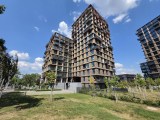
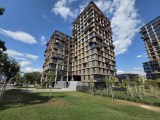

Daylight comparison, ultrawide camera (0.6x): Galaxy Z Fold8 Ultra - 13mm, f/1.9, ISO 40, 1/1640s (4000x3000px) - Samsung Galaxy Z Fold8 Ultra vs. Galaxy Z Fold7
Daylight comparison, ultrawide camera (0.6x): Galaxy Z Fold7 - 13mm, f/2.2, ISO 50, 1/2410s (4000x3000px) - Samsung Galaxy Z Fold8 Ultra vs. Galaxy Z Fold7
Daylight comparison, ultrawide camera (0.6x): Galaxy Z Fold8 Ultra - 13mm, f/1.9, ISO 40, 1/2111s (4000x3000px) - Samsung Galaxy Z Fold8 Ultra vs. Galaxy Z Fold7
Daylight comparison, ultrawide camera (0.6x): Galaxy Z Fold7 - 13mm, f/2.2, ISO 50, 1/3291s (4000x3000px) - Samsung Galaxy Z Fold8 Ultra vs. Galaxy Z Fold7


Daylight comparison, ultrawide camera (0.6x): Galaxy Z Fold8 Ultra - 13mm, f/1.9, ISO 160, 1/50s (4000x3000px) - Samsung Galaxy Z Fold8 Ultra vs. Galaxy Z Fold7
Daylight comparison, ultrawide camera (0.6x): Galaxy Z Fold7 - 13mm, f/2.2, ISO 250, 1/50s (4000x3000px) - Samsung Galaxy Z Fold8 Ultra vs. Galaxy Z Fold7
Daylight comparison, ultrawide camera (0.6x): Galaxy Z Fold8 Ultra - 13mm, f/1.9, ISO 40, 1/1874s (4000x3000px) - Samsung Galaxy Z Fold8 Ultra vs. Galaxy Z Fold7
Daylight comparison, ultrawide camera (0.6x): Galaxy Z Fold7 - 13mm, f/2.2, ISO 50, 1/2436s (4000x3000px) - Samsung Galaxy Z Fold8 Ultra vs. Galaxy Z Fold7

Daylight comparison, ultrawide camera (0.6x): Galaxy Z Fold8 Ultra • Galaxy Z Fold7

Low light

In the dark, main camera photos at 1x are very similar, both models being quite conservative with the low-light processing and serving relatively soft-ish and noisy, but otherwise alright images.



Low-light comparison, main camera (1x): Galaxy Z Fold8 Ultra - 23mm, f/1.7, ISO 1600, 1/100s (4000x3000px) - Samsung Galaxy Z Fold8 Ultra vs. Galaxy Z Fold7
Low-light comparison, main camera (1x): Galaxy Z Fold7 - 23mm, f/1.7, ISO 2000, 1/100s (4000x3000px) - Samsung Galaxy Z Fold8 Ultra vs. Galaxy Z Fold7
Low-light comparison, main camera (1x): Galaxy Z Fold8 Ultra - 23mm, f/1.7, ISO 1600, 1/50s (4000x3000px) - Samsung Galaxy Z Fold8 Ultra vs. Galaxy Z Fold7
Low-light comparison, main camera (1x): Galaxy Z Fold7 - 23mm, f/1.7, ISO 1600, 1/33s (4000x3000px) - Samsung Galaxy Z Fold8 Ultra vs. Galaxy Z Fold7


Low-light comparison, main camera (1x): Galaxy Z Fold8 Ultra - 23mm, f/1.7, ISO 1600, 1/33s (4000x3000px) - Samsung Galaxy Z Fold8 Ultra vs. Galaxy Z Fold7
Low-light comparison, main camera (1x): Galaxy Z Fold7 - 23mm, f/1.7, ISO 1600, 1/33s (4000x3000px) - Samsung Galaxy Z Fold8 Ultra vs. Galaxy Z Fold7
Low-light comparison, main camera (1x): Galaxy Z Fold8 Ultra - 23mm, f/1.7, ISO 2000, 1/100s (4000x3000px) - Samsung Galaxy Z Fold8 Ultra vs. Galaxy Z Fold7
Low-light comparison, main camera (1x): Galaxy Z Fold7 - 23mm, f/1.7, ISO 2000, 1/100s (4000x3000px) - Samsung Galaxy Z Fold8 Ultra vs. Galaxy Z Fold7

Low-light comparison, main camera (1x): Galaxy Z Fold8 Ultra • Galaxy Z Fold7

Both phones produce sharper and cleaner images in their dedicated Night modes, though on the Z Fold8 Ultra, the option needs to be enabled through Camera Assistant. Interestingly, the older model actually does a better job here, with less aggressive sharpening and none of the Z Fold8 Ultra’s tendency to distort colors.



Low-light comparison, main camera (1x), Night mode: Galaxy Z Fold8 Ultra - 23mm, f/1.7, ISO 320, 1/20s (4000x3000px) - Samsung Galaxy Z Fold8 Ultra vs. Galaxy Z Fold7
Low-light comparison, main camera (1x), Night mode: Galaxy Z Fold7 - 23mm, f/1.7, ISO 400, 1/20s (4000x3000px) - Samsung Galaxy Z Fold8 Ultra vs. Galaxy Z Fold7
Low-light comparison, main camera (1x), Night mode: Galaxy Z Fold8 Ultra - 23mm, f/1.7, ISO 500, 1/17s (4000x3000px) - Samsung Galaxy Z Fold8 Ultra vs. Galaxy Z Fold7
Low-light comparison, main camera (1x), Night mode: Galaxy Z Fold7 - 23mm, f/1.7, ISO 1000, 1/20s (4000x3000px) - Samsung Galaxy Z Fold8 Ultra vs. Galaxy Z Fold7


Low-light comparison, main camera (1x), Night mode: Galaxy Z Fold8 Ultra - 23mm, f/1.7, ISO 800, 1/17s (4000x3000px) - Samsung Galaxy Z Fold8 Ultra vs. Galaxy Z Fold7
Low-light comparison, main camera (1x), Night mode: Galaxy Z Fold7 - 23mm, f/1.7, ISO 800, 1/20s (4000x3000px) - Samsung Galaxy Z Fold8 Ultra vs. Galaxy Z Fold7
Low-light comparison, main camera (1x), Night mode: Galaxy Z Fold8 Ultra - 23mm, f/1.7, ISO 320, 1/20s (4000x3000px) - Samsung Galaxy Z Fold8 Ultra vs. Galaxy Z Fold7
Low-light comparison, main camera (1x), Night mode: Galaxy Z Fold7 - 23mm, f/1.7, ISO 320, 1/20s (4000x3000px) - Samsung Galaxy Z Fold8 Ultra vs. Galaxy Z Fold7

Low-light comparison, main camera (1x), Night mode: Galaxy Z Fold8 Ultra • Galaxy Z Fold7

At 2x in full auto mode, the Z Fold8 Ultra’s photos are definitely noisier, but they’re also sharper more often than not. The newer model maintains that sharpness advantage in Night mode as well, where it also manages to clean up the noise nicely most of the time.



Low-light comparison, main camera (2x): Galaxy Z Fold8 Ultra - 46mm, f/1.7, ISO 500, 1/50s (4000x3000px) - Samsung Galaxy Z Fold8 Ultra vs. Galaxy Z Fold7
Low-light comparison, main camera (2x): Galaxy Z Fold7 - 46mm, f/1.7, ISO 800, 1/50s (4000x3000px) - Samsung Galaxy Z Fold8 Ultra vs. Galaxy Z Fold7
Low-light comparison, main camera (2x): Galaxy Z Fold8 Ultra - 46mm, f/1.7, ISO 640, 1/33s (4000x3000px) - Samsung Galaxy Z Fold8 Ultra vs. Galaxy Z Fold7
Low-light comparison, main camera (2x): Galaxy Z Fold7 - 46mm, f/1.7, ISO 1250, 1/25s (4000x3000px) - Samsung Galaxy Z Fold8 Ultra vs. Galaxy Z Fold7


Low-light comparison, main camera (2x): Galaxy Z Fold8 Ultra - 46mm, f/1.7, ISO 1250, 1/25s (4000x3000px) - Samsung Galaxy Z Fold8 Ultra vs. Galaxy Z Fold7
Low-light comparison, main camera (2x): Galaxy Z Fold7 - 46mm, f/1.7, ISO 1000, 1/25s (4000x3000px) - Samsung Galaxy Z Fold8 Ultra vs. Galaxy Z Fold7
Low-light comparison, main camera (2x): Galaxy Z Fold8 Ultra - 46mm, f/1.7, ISO 400, 1/50s (4000x3000px) - Samsung Galaxy Z Fold8 Ultra vs. Galaxy Z Fold7
Low-light comparison, main camera (2x): Galaxy Z Fold7 - 46mm, f/1.7, ISO 640, 1/50s (4000x3000px) - Samsung Galaxy Z Fold8 Ultra vs. Galaxy Z Fold7

Low-light comparison, main camera (2x): Galaxy Z Fold8 Ultra • Galaxy Z Fold7


Low-light comparison, main camera (2x), Night mode: Galaxy Z Fold8 Ultra - 46mm, f/1.7, ISO 500, 1/50s (4000x3000px) - Samsung Galaxy Z Fold8 Ultra vs. Galaxy Z Fold7
Low-light comparison, main camera (2x), Night mode: Galaxy Z Fold7 - 46mm, f/1.7, ISO 160, 1/11s (4000x3000px) - Samsung Galaxy Z Fold8 Ultra vs. Galaxy Z Fold7
Low-light comparison, main camera (2x), Night mode: Galaxy Z Fold8 Ultra - 46mm, f/1.7, ISO 250, 1/10s (4000x3000px) - Samsung Galaxy Z Fold8 Ultra vs. Galaxy Z Fold7
Low-light comparison, main camera (2x), Night mode: Galaxy Z Fold7 - 46mm, f/1.7, ISO 500, 1/10s (4000x3000px) - Samsung Galaxy Z Fold8 Ultra vs. Galaxy Z Fold7


Low-light comparison, main camera (2x), Night mode: Galaxy Z Fold8 Ultra - 46mm, f/1.7, ISO 400, 1/10s (4000x3000px) - Samsung Galaxy Z Fold8 Ultra vs. Galaxy Z Fold7
Low-light comparison, main camera (2x), Night mode: Galaxy Z Fold7 - 46mm, f/1.7, ISO 400, 1/10s (4000x3000px) - Samsung Galaxy Z Fold8 Ultra vs. Galaxy Z Fold7
Low-light comparison, main camera (2x), Night mode: Galaxy Z Fold8 Ultra - 46mm, f/1.7, ISO 500, 1/50s (4000x3000px) - Samsung Galaxy Z Fold8 Ultra vs. Galaxy Z Fold7
Low-light comparison, main camera (2x), Night mode: Galaxy Z Fold7 - 46mm, f/1.7, ISO 640, 1/50s (4000x3000px) - Samsung Galaxy Z Fold8 Ultra vs. Galaxy Z Fold7

Low-light comparison, main camera (2x), Night mode: Galaxy Z Fold8 Ultra • Galaxy Z Fold7

At 3x zoom, neither phone produces particularly impressive photos, though the Z Fold7 is perhaps a touch more consistent in full auto mode, as the Z Fold8 Ultra can get very noisy on occasion. In Night mode, the newer model improves more noticeably, but we’d still call it mostly a tie. We’re also not particularly fond of what appear to be AI-generated, mesh-like textures on some building facades.


Low-light comparison, telephoto (3x): Galaxy Z Fold8 Ultra - 69mm, f/2.4, ISO 1600, 1/33s (4000x3000px) - Samsung Galaxy Z Fold8 Ultra vs. Galaxy Z Fold7
Low-light comparison, telephoto (3x): Galaxy Z Fold7 - 69mm, f/2.4, ISO 1250, 1/33s (4000x3000px) - Samsung Galaxy Z Fold8 Ultra vs. Galaxy Z Fold7
Low-light comparison, telephoto (3x): Galaxy Z Fold8 Ultra - 69mm, f/2.4, ISO 1250, 1/33s (4000x3000px) - Samsung Galaxy Z Fold8 Ultra vs. Galaxy Z Fold7
Low-light comparison, telephoto (3x): Galaxy Z Fold7 - 69mm, f/2.4, ISO 1000, 1/8s (4000x3000px) - Samsung Galaxy Z Fold8 Ultra vs. Galaxy Z Fold7


Low-light comparison, telephoto (3x): Galaxy Z Fold8 Ultra - 69mm, f/2.4, ISO 2000, 1/20s (4000x3000px) - Samsung Galaxy Z Fold8 Ultra vs. Galaxy Z Fold7
Low-light comparison, telephoto (3x): Galaxy Z Fold7 - 69mm, f/2.4, ISO 2000, 1/25s (4000x3000px) - Samsung Galaxy Z Fold8 Ultra vs. Galaxy Z Fold7
Low-light comparison, telephoto (3x): Galaxy Z Fold8 Ultra - 69mm, f/2.4, ISO 800, 1/33s (4000x3000px) - Samsung Galaxy Z Fold8 Ultra vs. Galaxy Z Fold7
Low-light comparison, telephoto (3x): Galaxy Z Fold7 - 69mm, f/2.4, ISO 800, 1/33s (4000x3000px) - Samsung Galaxy Z Fold8 Ultra vs. Galaxy Z Fold7

Low-light comparison, telephoto (3x): Galaxy Z Fold8 Ultra • Galaxy Z Fold7


Low-light comparison, telephoto (3x), Night mode: Galaxy Z Fold8 Ultra - 69mm, f/2.4, ISO 640, 1/13s (4000x3000px) - Samsung Galaxy Z Fold8 Ultra vs. Galaxy Z Fold7
Low-light comparison, telephoto (3x), Night mode: Galaxy Z Fold7 - 69mm, f/2.4, ISO 320, 1/8s (4000x3000px) - Samsung Galaxy Z Fold8 Ultra vs. Galaxy Z Fold7
Low-light comparison, telephoto (3x), Night mode: Galaxy Z Fold8 Ultra - 69mm, f/2.4, ISO 500, 1/13s (4000x3000px) - Samsung Galaxy Z Fold8 Ultra vs. Galaxy Z Fold7
Low-light comparison, telephoto (3x), Night mode: Galaxy Z Fold7 - 69mm, f/2.4, ISO 1000, 1/8s (4000x3000px) - Samsung Galaxy Z Fold8 Ultra vs. Galaxy Z Fold7


Low-light comparison, telephoto (3x), Night mode: Galaxy Z Fold8 Ultra - 69mm, f/2.4, ISO 1250, 1/13s (4000x3000px) - Samsung Galaxy Z Fold8 Ultra vs. Galaxy Z Fold7
Low-light comparison, telephoto (3x), Night mode: Galaxy Z Fold7 - 69mm, f/2.4, ISO 640, 1/8s (4000x3000px) - Samsung Galaxy Z Fold8 Ultra vs. Galaxy Z Fold7
Low-light comparison, telephoto (3x), Night mode: Galaxy Z Fold8 Ultra - 69mm, f/2.4, ISO 800, 1/33s (4000x3000px) - Samsung Galaxy Z Fold8 Ultra vs. Galaxy Z Fold7
Low-light comparison, telephoto (3x), Night mode: Galaxy Z Fold7 - 69mm, f/2.4, ISO 800, 1/33s (4000x3000px) - Samsung Galaxy Z Fold8 Ultra vs. Galaxy Z Fold7

Low-light comparison, telephoto (3x), Night mode: Galaxy Z Fold8 Ultra • Galaxy Z Fold7

The new ultrawide occasionally has a slight sharpness advantage in low light, though not consistently. It does seem to offer better dynamic range, particularly in the highlights. In Night mode, the Z Fold8 Ultra shows some of the same color issues and texture enhancement we’ve seen elsewhere, along with heavier sharpening. Even so, the newer model’s 0.6x results are somewhat better overall.


Low-light comparison, ultrawide camera: Galaxy Z Fold8 Ultra - 13mm, f/1.9, ISO 1000, 1/33s (4000x3000px) - Samsung Galaxy Z Fold8 Ultra vs. Galaxy Z Fold7
Low-light comparison, ultrawide camera: Galaxy Z Fold7 - 13mm, f/2.2, ISO 1600, 1/25s (4000x3000px) - Samsung Galaxy Z Fold8 Ultra vs. Galaxy Z Fold7
Low-light comparison, ultrawide camera: Galaxy Z Fold8 Ultra - 13mm, f/1.9, ISO 1000, 1/25s (4000x3000px) - Samsung Galaxy Z Fold8 Ultra vs. Galaxy Z Fold7
Low-light comparison, ultrawide camera: Galaxy Z Fold7 - 13mm, f/2.2, ISO 2000, 1/25s (4000x3000px) - Samsung Galaxy Z Fold8 Ultra vs. Galaxy Z Fold7


Low-light comparison, ultrawide camera: Galaxy Z Fold8 Ultra - 13mm, f/1.9, ISO 1600, 1/25s (4000x3000px) - Samsung Galaxy Z Fold8 Ultra vs. Galaxy Z Fold7
Low-light comparison, ultrawide camera: Galaxy Z Fold7 - 13mm, f/2.2, ISO 2500, 1/25s (4000x3000px) - Samsung Galaxy Z Fold8 Ultra vs. Galaxy Z Fold7
Low-light comparison, ultrawide camera: Galaxy Z Fold8 Ultra - 13mm, f/1.9, ISO 1250, 1/50s (4000x3000px) - Samsung Galaxy Z Fold8 Ultra vs. Galaxy Z Fold7
Low-light comparison, ultrawide camera: Galaxy Z Fold7 - 13mm, f/2.2, ISO 1600, 1/50s (4000x3000px) - Samsung Galaxy Z Fold8 Ultra vs. Galaxy Z Fold7

Low-light comparison, ultrawide camera: Galaxy Z Fold8 Ultra • Galaxy Z Fold7


Low-light comparison, ultrawide camera, Night mode: Galaxy Z Fold8 Ultra - 13mm, f/1.9, ISO 640, 1/20s (4000x3000px) - Samsung Galaxy Z Fold8 Ultra vs. Galaxy Z Fold7
Low-light comparison, ultrawide camera, Night mode: Galaxy Z Fold7 - 13mm, f/2.2, ISO 500, 1/10s (4000x3000px) - Samsung Galaxy Z Fold8 Ultra vs. Galaxy Z Fold7
Low-light comparison, ultrawide camera, Night mode: Galaxy Z Fold8 Ultra - 13mm, f/1.9, ISO 800, 1/20s (4000x3000px) - Samsung Galaxy Z Fold8 Ultra vs. Galaxy Z Fold7
Low-light comparison, ultrawide camera, Night mode: Galaxy Z Fold7 - 13mm, f/2.2, ISO 800, 1/9s (4000x3000px) - Samsung Galaxy Z Fold8 Ultra vs. Galaxy Z Fold7


Low-light comparison, ultrawide camera, Night mode: Galaxy Z Fold8 Ultra - 13mm, f/1.9, ISO 1000, 1/13s (4000x3000px) - Samsung Galaxy Z Fold8 Ultra vs. Galaxy Z Fold7
Low-light comparison, ultrawide camera, Night mode: Galaxy Z Fold7 - 23mm, f/1.7, ISO 800, 1/20s (4000x3000px) - Samsung Galaxy Z Fold8 Ultra vs. Galaxy Z Fold7
Low-light comparison, ultrawide camera, Night mode: Galaxy Z Fold8 Ultra - 13mm, f/1.9, ISO 500, 1/20s (4000x3000px) - Samsung Galaxy Z Fold8 Ultra vs. Galaxy Z Fold7
Low-light comparison, ultrawide camera, Night mode: Galaxy Z Fold7 - 13mm, f/2.2, ISO 320, 1/10s (4000x3000px) - Samsung Galaxy Z Fold8 Ultra vs. Galaxy Z Fold7

Low-light comparison, ultrawide camera, Night mode: Galaxy Z Fold8 Ultra • Galaxy Z Fold7

Selfies

We initially thought Samsung hadn’t changed anything about the selfie cameras, but side-by-side comparisons reveal that at least the focus distance on the cover camera has been tweaked. The newer model captures sharper facial detail and produces a touch more background blur. The same appears to be true of the internal camera as well. Overall, it’s only a minor difference, but we’ll still count it as an improvement.


Selfies comparison, cover cameras: Galaxy Z Fold8 Ultra - 23mm, f/2.2, ISO 25, 1/583s (3648x2736px) - Samsung Galaxy Z Fold8 Ultra vs. Galaxy Z Fold7
Selfies comparison, cover cameras: Galaxy Z Fold7 - 23mm, f/2.2, ISO 25, 1/834s (3648x2736px) - Samsung Galaxy Z Fold8 Ultra vs. Galaxy Z Fold7
Selfies comparison, cover cameras: Galaxy Z Fold8 Ultra - 23mm, f/2.2, ISO 25, 1/403s (3648x2736px) - Samsung Galaxy Z Fold8 Ultra vs. Galaxy Z Fold7
Selfies comparison, cover cameras: Galaxy Z Fold7 - 23mm, f/2.2, ISO 25, 1/542s (3648x2736px) - Samsung Galaxy Z Fold8 Ultra vs. Galaxy Z Fold7

Selfies comparison, cover cameras: Galaxy Z Fold8 Ultra • Galaxy Z Fold7


Selfies comparison, internal cameras: Galaxy Z Fold8 Ultra - 17mm, f/2.2, ISO 25, 1/572s (3648x2736px) - Samsung Galaxy Z Fold8 Ultra vs. Galaxy Z Fold7
Selfies comparison, internal cameras: Galaxy Z Fold7 - 17mm, f/2.2, ISO 25, 1/912s (3648x2736px) - Samsung Galaxy Z Fold8 Ultra vs. Galaxy Z Fold7
Selfies comparison, internal cameras: Galaxy Z Fold8 Ultra - 17mm, f/2.2, ISO 25, 1/406s (3648x2736px) - Samsung Galaxy Z Fold8 Ultra vs. Galaxy Z Fold7
Selfies comparison, internal cameras: Galaxy Z Fold7 - 17mm, f/2.2, ISO 25, 1/547s (3648x2736px) - Samsung Galaxy Z Fold8 Ultra vs. Galaxy Z Fold7

Selfies comparison, internal cameras: Galaxy Z Fold8 Ultra • Galaxy Z Fold7

Video quality

Below, we have a few frame grabs from videos recorded by the two phones at each focal length to make direct comparison easier.

The Z Fold8 Ultra supports the full range of video recording features Samsung currently offers – Pro mode, codecs, resolutions and frame rates are all covered. It does have a couple of advantages over the Z Fold7, namely Samsung’s pro-grade APV codec and Horizon Lock stabilization, but that’s about it. We imagine those extras will matter to only a fairly small group of users.

Daytime video quality is essentially identical on the two phones across all four preset zoom levels. We’re not seeing any meaningful advantage from the Z Fold8 Ultra’s new ultrawide camera, and the sharpness edge its main camera showed in stills at 1x and 2x doesn’t carry over to video. The 3x clips are virtually identical as well.



Daylight video screengrabs, Galaxy Z Fold8 Ultra: 0.6x -  (3840x2160px) - Samsung Galaxy Z Fold8 Ultra vs. Galaxy Z Fold7
Daylight video screengrabs, Galaxy Z Fold8 Ultra: 1x -  (3840x2160px) - Samsung Galaxy Z Fold8 Ultra vs. Galaxy Z Fold7
Daylight video screengrabs, Galaxy Z Fold8 Ultra: 2x -  (3840x2160px) - Samsung Galaxy Z Fold8 Ultra vs. Galaxy Z Fold7
Daylight video screengrabs, Galaxy Z Fold8 Ultra: 3x -  (3840x2160px) - Samsung Galaxy Z Fold8 Ultra vs. Galaxy Z Fold7

Daylight video screengrabs, Galaxy Z Fold8 Ultra: 0.6x • 1x • 2x • 3x


Daylight video screengrabs, Galaxy Z Fold7: 0.6x -  (3840x2160px) - Samsung Galaxy Z Fold8 Ultra vs. Galaxy Z Fold7
Daylight video screengrabs, Galaxy Z Fold7: 1x -  (3840x2160px) - Samsung Galaxy Z Fold8 Ultra vs. Galaxy Z Fold7
Daylight video screengrabs, Galaxy Z Fold7: 2x -  (3840x2160px) - Samsung Galaxy Z Fold8 Ultra vs. Galaxy Z Fold7
Daylight video screengrabs, Galaxy Z Fold7: 3x -  (3840x2160px) - Samsung Galaxy Z Fold8 Ultra vs. Galaxy Z Fold7

Daylight video screengrabs, Galaxy Z Fold7: 0.6x • 1x • 2x • 3x

Low-light video from the Z Fold8 Ultra’s ultrawide is better – it’s got better highlight preservation and it’s also sharper. The main camera also has a slight dynamic range advantage and possibly resolves a bit more detail. 2x clips aren’t great, but are generally usable from both, while the 3x cameras are best avoided, especially that on the Z Fold7.


Low-light video screengrabs, Galaxy Z Fold8 Ultra: 0.6x -  (3840x2160px) - Samsung Galaxy Z Fold8 Ultra vs. Galaxy Z Fold7
Low-light video screengrabs, Galaxy Z Fold8 Ultra: 1x -  (3840x2160px) - Samsung Galaxy Z Fold8 Ultra vs. Galaxy Z Fold7
Low-light video screengrabs, Galaxy Z Fold8 Ultra: 2x -  (3840x2160px) - Samsung Galaxy Z Fold8 Ultra vs. Galaxy Z Fold7
Low-light video screengrabs, Galaxy Z Fold8 Ultra: 3x -  (3840x2160px) - Samsung Galaxy Z Fold8 Ultra vs. Galaxy Z Fold7

Low-light video screengrabs, Galaxy Z Fold8 Ultra: 0.6x • 1x • 2x • 3x


Low-light video screengrabs, Galaxy Z Fold7: 0.6x -  (3840x2160px) - Samsung Galaxy Z Fold8 Ultra vs. Galaxy Z Fold7
Low-light video screengrabs, Galaxy Z Fold7: 1x -  (3840x2160px) - Samsung Galaxy Z Fold8 Ultra vs. Galaxy Z Fold7
Low-light video screengrabs, Galaxy Z Fold7: 2x -  (3840x2160px) - Samsung Galaxy Z Fold8 Ultra vs. Galaxy Z Fold7
Low-light video screengrabs, Galaxy Z Fold7: 3x -  (3840x2160px) - Samsung Galaxy Z Fold8 Ultra vs. Galaxy Z Fold7

Low-light video screengrabs, Galaxy Z Fold7: 0.6x • 1x • 2x • 3x

Verdict

The Galaxy Z Fold8 Ultra is clearly the better phone of the two, but perhaps not by as much as the name and price premium might suggest. Samsung has improved several important areas, yet the fundamental Fold experience remains remarkably similar to what you already get with the Galaxy Z Fold7.

The Z Fold8 Ultra has the nicer internal display, with a higher resolution, an anti-reflective coating and a somewhat less noticeable crease. Its larger 5,000mAh battery also delivers significantly better endurance, while the jump from 25W to 45W wired charging makes a very tangible difference. You also get more peak performance from the newer Snapdragon, slightly better image quality in a few scenarios, improved selfies, and a newer software baseline with an extra year of support remaining.

Still, the Galaxy Z Fold7 gets surprisingly close in most other respects. It’s essentially identical in size and weight, has the same 6.5-inch cover display and 8-inch inner-display form factor, and its cameras produce very similar results most of the time. Its Snapdragon 8 Elite remains extremely fast, while the older phone actually throttles less aggressively under prolonged load. The Z Fold7 also has the better speakers, and its camera processing can occasionally deliver preferable results at night.

That makes the choice largely a matter of price. If money is no object, the Galaxy Z Fold8 Ultra is the obvious pick – the improvements to battery life, charging and the internal display in particular make it the more complete device. But if you can get the Galaxy Z Fold7 for substantially less, it remains an excellent alternative and arguably the better value. The Z Fold8 Ultra is a worthwhile refinement of the formula rather than a reinvention of it, and existing Z Fold7 owners in particular should feel little pressure to upgrade.
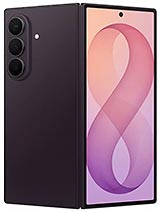

    Samsung Galaxy Z Fold8 Ultra

    Get the Samsung Galaxy Z Fold8 Ultra for:
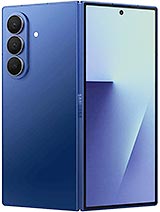
  • The sharper, less reflective internal display.
  • The substantially better battery life.
  • The much faster wired and wireless charging.
  • The higher peak performance.
  • The slightly better overall camera experience.
  • The extra year of remaining software support.

    Samsung Galaxy Z Fold7

    Get the Samsung Galaxy Z Fold7 for:
  • The substantially lower price.
  • The largely identical design and overall Fold experience.
  • The very similar camera quality in most situations.
  • The louder and cleaner-sounding speakers.
  • The less aggressive performance throttling under prolonged load.


Source link

Related Articles

Back to top button