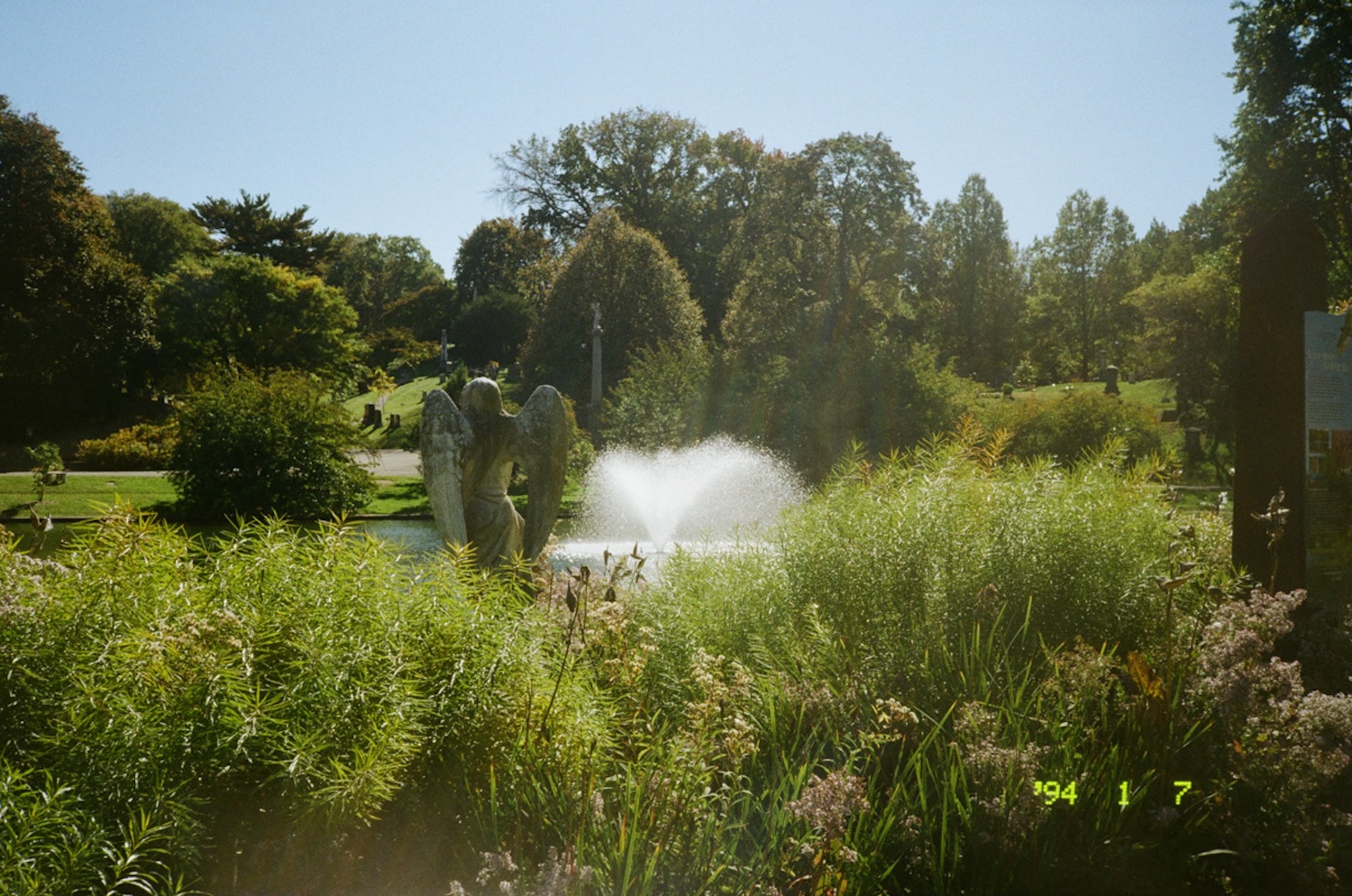
Gabrielle Gatto remembers the first time that someone threw a wrench in her family’s death plans. Gatto, the Manager of Public Programming at Green-Wood Cemetery, describes herself and her family as “wildly Italian,” with each funeral following a cookie-cutter process: the burial, going back to Aunt Angela’s, and coalescing over a lasagna or meat and cheese plate. It wasn’t until her grandfather passed away, and he requested that he be cremated and inurned into the ground that she began to wonder what was possible when someone dies. “I was like, ‘What? I thought you get cremated to be a mantlepiece. Why do you want to be buried?’” She wondered aloud. “No one in my family had done it like that before, so it kind of got me curious about what is out there. What choices do we have? What agency in our end of life can we think about well before we have to?”
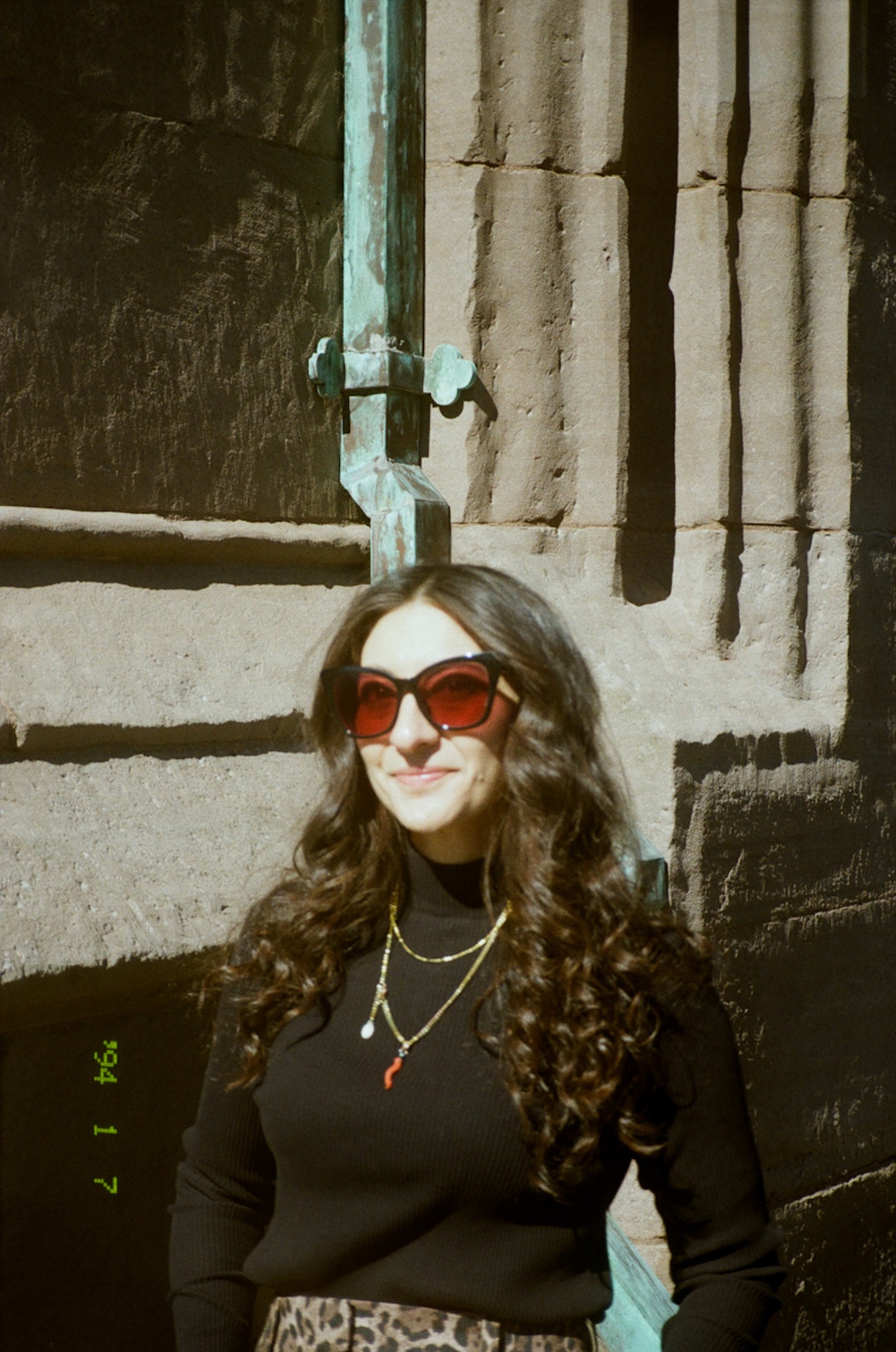
Photo by Matthew Ritchie
Those questions, always churning in the curious head of Gatto, are the grounding point for Green-Wood’s death education programming, which has formed a habit of ramping up around October and November. Focused on the processes around dying and remembrance, Gatto and the rest of the staff are dedicated to removing the shroud from the spectre of death surrounding us. Each of the programs curated by Gatto, from their death cafes to “Grieving and Weaving” to lectures and workshops led by experts in the field, make the march toward that final embrace feel a little less lonely.
Gatto arrived at Green-Wood on March 4, 2020, as a newly minted member of the events department, right before New York became quite still and increasingly concerned with living and dying. With the devastating loss of life from the COVID-19 pandemic, Green-Wood mobilized to help New Yorkers have a final goodbye for their loved ones. As part of a team working at “hyperspeed,” Gatto began to take burial orders and work in the crematory, facing first-hand the result of thousands of people getting caught off guard by a reality they didn’t expect to arrive so soon. “And what I really found was such a lack of death and grief literacy,” she said as we left the shadows of the cemetery’s towering gothic gates. “… One of my first memories is being at a wake in Brooklyn, and I just kind of knew the logistics and rituals around death at a young age. So when I was getting phone calls from folks that were in their 40s, that it was the first time in their life they had a significant loss—one that they had to support the logistics and rituals around—I was floored.”
Lockdown ensured the resurgence of death education at Green-Wood progressed slowly but also adaptively. With the sudden inundation of calls and need to serve families, the team, often in collaboration with local funeral director Amy Cunningham (who Gatto lovingly calls the “godmother of death care rehabilitation”), would hold death cafes over Zoom. These informal little chats, where anyone could come and talk about death as much or as little as they want, built the groundwork for how the programming would later evolve. In them, Gatto, who previously worked as a death doula and will be pursuing her master’s in thanatology next year, witnessed the impact remote activities had on an ecosystem that saw people FaceTiming into funerals or saying goodbye to loved ones over the phone.
Since the pandemic waned, Green-Wood’s public programming, which picks up in the fall when it gets colder and the wind whips around, has aimed to be a counterweight to the uncomfortable truth of our mortality, creating paths to community for those isolated by the spiritual freefall of that revelation arriving at the wrong juncture in their lives.
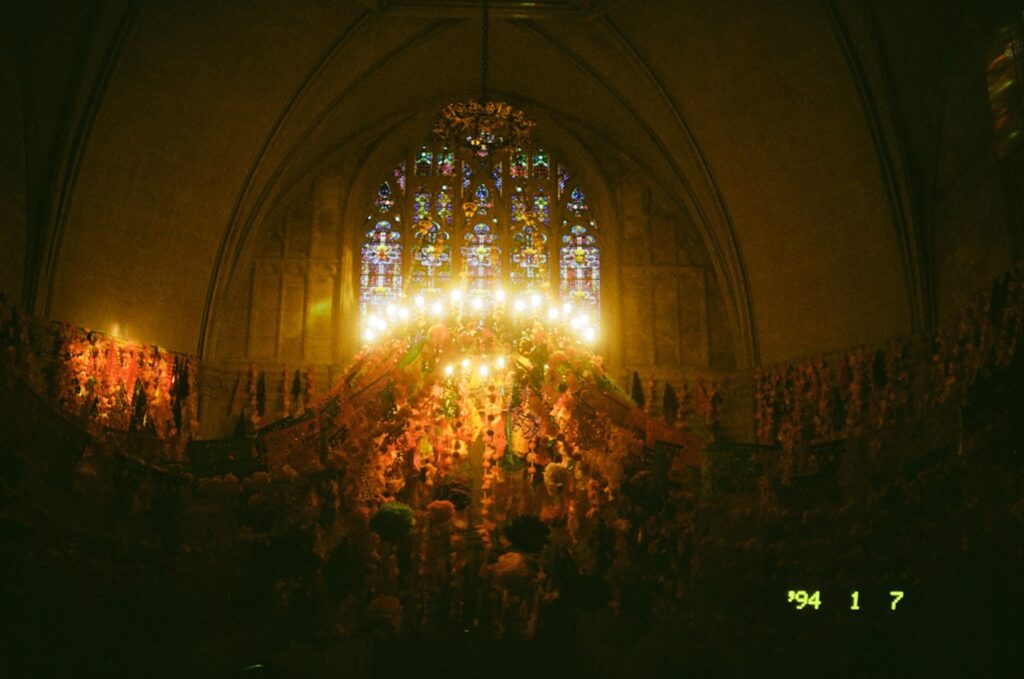
Photo by Matthew Ritchie
These entryways take on unique forms. At the “Mortal Matters” event from this past September, attendees intermingled with astrophysicists, neuroscientists, and death doulas to talk about what happens when things end. (Gatto remembers getting stuck on the big question of knowing that the sun will die well after humans are gone, so how do we mourn it now?) At “Grieving and Weaving,” which allows for the therapeutic act of creating to exist in a low-stakes environment where you can hear about someone else’s personal history with death. Others are more granular, like workshops on handling end-of-life paperwork, or the “Day in the Life” series that follows those who professionally deal with dying, or just explaining what natural organic reduction is to a clueless journalist.
Their November slate begins with a massive Día de los Muertos celebration at the historic chapel on the grounds, with its interior turned into a massive technicolor ofrenda for people to honor their loved ones. There’s something for everyone and every level of willingness to participate. “You have people with diagnoses coming in; you’ve got people like me, who’s an only child that’s terrified of her parents dying and just wants to talk about the anticipatory grief of it all…” Gatto says. “But again, we want it to be welcoming. We want you to be able to come and show and tell, or look and listen. I think that’s a really important component because so many people, they’re like, ‘I don’t want to be interactive.’ You don’t need to be. Come see what we’re all about here.”
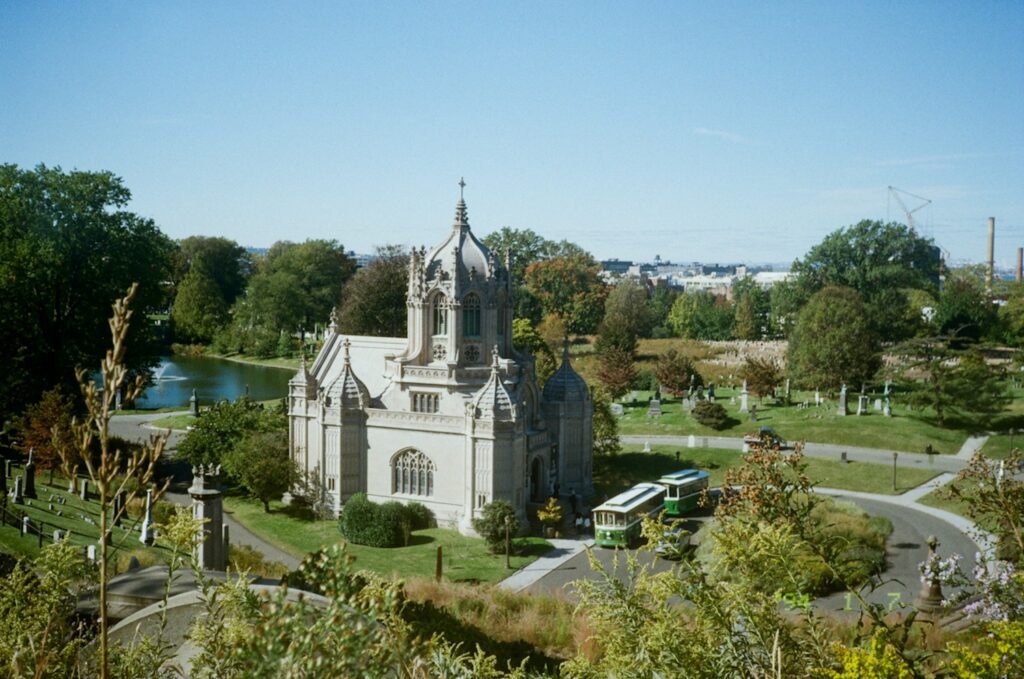
Photo by Matthew Ritchie
Eric Barna, the Vice President of Operations at Green-Wood, has watched the cemetery’s death education programming expanded over the past decade. He remembers when the extent of it was inviting guests to tour the crematory at Green-Wood. The current version, firmly centered on getting past the “Victorian idea” that death is a topic to avoid, takes full advantage of every corner of the 478-acre cemetery and adds a unique beauty to in-person interactions across its massive central Brooklyn campus, which Barna credits to Gatto’s passion and design. “I think it’s the connection between people, right,” Barna told me over the phone. “Since you’re able to do it in person, it becomes part of the social fabric. You’ll meet people from a totally different walk of life, or a different culture that you maybe wouldn’t have talked to before, but what we do all have in common is caring for the dead.”
Gatto’s reluctant to accept full credit for the program’s expansion, but she is proud of, and quick to name, those who’ve helped realize this vision of post-life literacy and support. During our long morning walk through Green-Wood, she beams about the countless people that help keep the cemetery active and its programming afloat, singing the praises of the art direction around the grounds by Dr. Harry Weil, the vice president of education and public programs, or how Derya Mergin, the cemetery’s director of public programs, commands the fleet of daytime and after-hours tours. It’s hard to go 10 minutes without a fellow staffer or operations member stopping us from a golf cart to banter with her. Though it’s an active cemetery, she views Green-Wood as a sort of living organism. “Everyone has a personal story as to why they attach to a certain part of the programming,” Gatto shares. “… I think the whole trope of non-profits and ‘The mission, the mission, the mission,’ we all really believe in it, and have a stake in that. I think we all do a really good job of grounding ourselves and honoring that.”
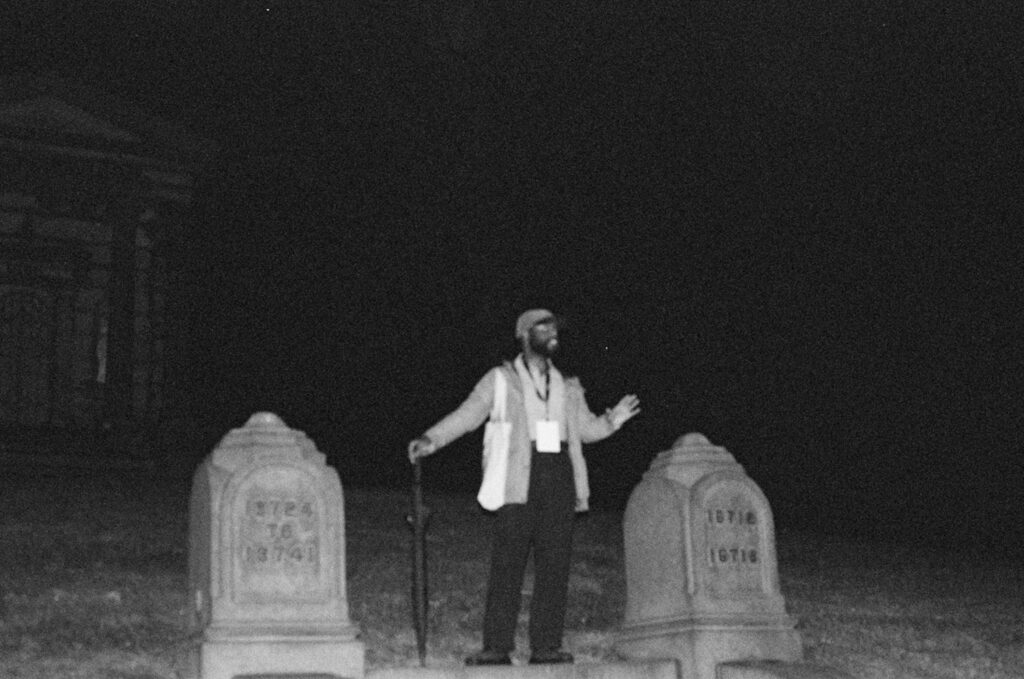
Photo by Matthew Ritchie
That shared ethos extends to the legion of volunteers and guides who help fill the gaps in the programming department. If you buy a ticket to “Hereafter Hours” tours, where you’re led through the cemetery after dark for one to two hours, you may meet David Glover, who’s been leading tours at Green-Wood for five years now. Glover, an actor by trade whose voice booms over the trees whispering in the wind when speaking, also mans a couple of trolley tours and the Brooklyn Black trailblazers path, a tour that’s quite special to his heart. Over the two hours that you spend on the ground with Glover, you’re blasted with tales from the cemetery’s “permanent residents,” from the famous to the long forgotten, delivered with such richness and detail that you can almost see the figures conjured next to their headstones when he speaks. Even if, on the surface, tours can be little more than an opportunity to appreciate the beauty of the rural cemetery, those pristine appearances can themselves be entries to viewing death in a different light. “I think half the battle is being here—if you’ve gotten someone to buy a ticket … you’ve already won, because the beauty of Green-Wood, sans the history, is one of those things where I never thought a cemetery would look like this,” Glover tells me from the depths of the catacombs on the grounds. “Then you add the richness of history, you add the complexity of it, the amazing stories, the fun structures, and all of a sudden, now you’ve got people thinking about it.”
It’s an honor to celebrate the stories of the people that we love when they’re alive, but in the cruel, natural way the world works, that’s not always possible. I’ve lost count of the number of times that I’ve looked at old text messages and keepsakes from people who have departed and found myself bargaining with the universe for the chance at one more phone call or meal together. But we are not Orpheus and Eurydice, playing games with the natural processes of the world out of love and devotion. The least we can do within our mortal constraints is keep those stories alive well after people are gone, because they mattered just as much before they died, no matter how small a life may have seemed.
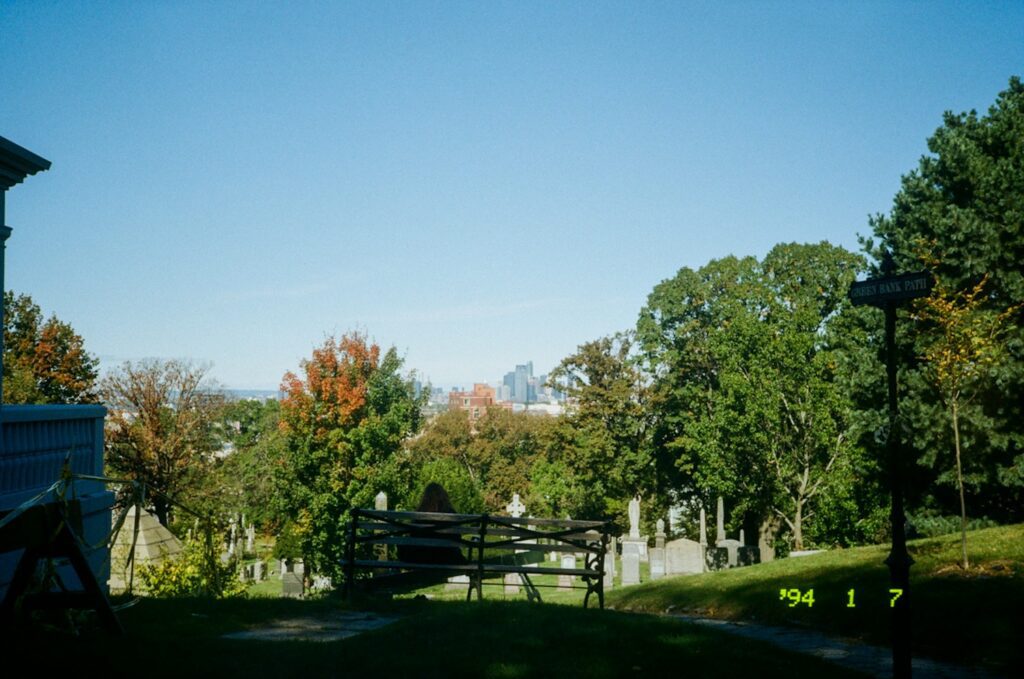
Photo by Matthew Ritchie
Remembrance, that third tenet of the death education programming at Green-Wood, may be the force that sticks with you the longest after a conversation with Gatto and others who work there. An hour spent with Gatto is filled not only with concrete facts about Chinese and Hispanic death rituals and how many thousands of people visit the grounds on a weekend, but the memories of the people that she loved. If you venture deep enough into Green-Wood, you’ll see two obelisk monuments that overlook One World Trade center, where Gatto likes to sit and think about her Uncle Vinny, who died from 9/11-related cancer—a man she’ll take “any excuse to talk about.” Tucked away in the Tranquility Garden is Tiva Baloi, the Green-Wood staffer that was hyper-involved in the public programming, dedicating her time to art installations and cultural events at Green-Wood. She passed away in 2025, and Gatto will sometimes go and visit her to gossip about meetings and the daily goings on at work. There’s a pleasant ease to the way she’ll recount a dear friend that used to come to death cafes until he was on his deathbed, unwilling to let anyone, no matter their title or standing in the world, fade to obscurity as time passes by.
This is all to say that death education seems to extend well past the confines of the cemetery. It’s the idea of becoming just a tad more comfortable with the mortality of yourself and others, with the hope that it affects the life that you live now. And for Gatto and the rest of the public programming team, providing that gift to their community is a full time job. “The more you thoughtfully think about death, the more you thoughtfully lead your life,” Gatto says with a quiet determination that almost lands like a stump speech. “So I’m going on that trip, I’m calling my mom more. I’m doing all of those things because I am reminded every day I am just a mere mortal. This all ends; while I still have it, I get to experience all of this around me. So, what am I doing?”
The post Getting a Death Education at Green-Wood Cemetery appeared first on BKMAG.