SCIENCE
-

Chimps, Humans and Macaques All Have a Drive to ‘People Watch’
[ad_1] September 1, 2025 2 min read The Primal Pull of People Watching Our social voyeurism may have deep evolutionary roots By Clarissa Brincat edited by Sarah Lewin Frasier Whitworth Images/Getty Images The human fascination with watching others—whether through reality TV, Instagram stories or overheard drama—is often dismissed as nosiness. But new research suggests this impulse may be a social…
Read More » -

How Key Changes to the Pelvis Helped Humans Walk Upright
[ad_1] August 29, 2025 3 min read How Humans Became Upright: Key Changes to Our Pelvis Found Genetic and anatomical data reveal how the human pelvis acquired its unique shape, enabling our ancestors to walk on two legs By Katie Kavanagh & Nature magazine Humans have been walking on two legs for millions of years. Nick Veasey/Science Source All vertebrate…
Read More » -

Microplastics Could Be Creating Dangerous Antibiotic-Resistant Bacteria
[ad_1] August 26, 2025 4 min read Microplastics Could Be Turning Bacteria into Drug-Resistant Superbugs Microplastics are seemingly everywhere—and now growing research suggests they could be breeding grounds for drug-resistant bacteria By Marta Zaraska edited by Lauren J. Young MargJohnsonVA/Getty Images For bacteria, microplastics are the perfect meetup spot—tiny, intimate surfaces where microbes can cling, huddle close and swap genes.…
Read More » -

The Brain’s Map of the Body Is Surprisingly Stable—Even after a Limb Is Lost
[ad_1] August 23, 2025 3 min read The Brain’s Map of the Body Is Surprisingly Stable—Even after a Limb Is Lost The brain’s body map doesn’t reorganize itself after limb amputation, a study found, challenging a textbook idea in neuroscience By Katie Kavanagh & Nature magazine The brain’s map of the body in the primary somatosensory cortex remains unchanged after…
Read More » -
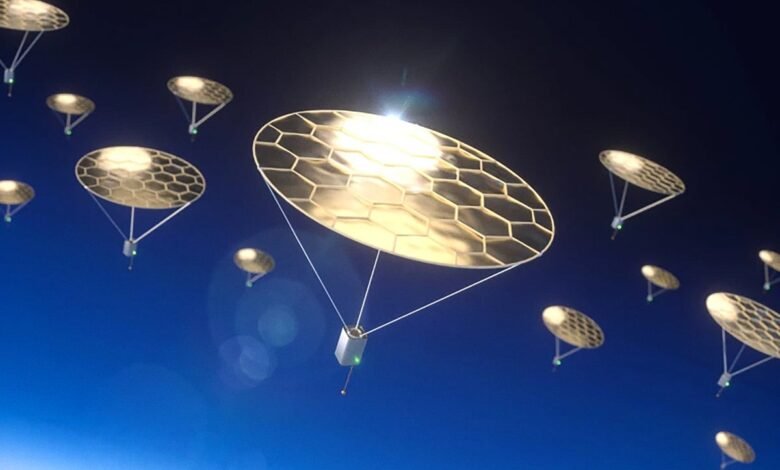
Tiny Probes Can Surf Sunlight to Explore Earth’s Mesosphere and Mars
[ad_1] August 19, 2025 4 min read These Tiny Disks Will Sail on Sunlight into Earth’s Mysterious ‘Ignorosphere’ With no fuel or engines, tiny explorers will surf sun-warmed air alone to explore high in the skies of Earth and Mars By Payal Dhar edited by Lee Billings This artist’s impression shows multiple small devices soaring on sunlight at the edges…
Read More » -

Human Embryo Implantation Revealed in First-Ever 3D Images
[ad_1] August 15, 2025 3 min read First 3D Images of Human Embryo Implantation Reveal New Details of the Process Analyzing embryo movements in uteruslike environments could offer clues to improving the success rate of in vitro fertilization By Humberto Basilio edited by Lauren J. Young Confocal microscopy image of a nine-day-old human embryo. Specific proteins and cellular structures have…
Read More » -

Why AI ‘Therapy’ Can Be So Dangerous
[ad_1] Artificial intelligence chatbots don’t judge. Tell them the most private, vulnerable details of your life, and most of them will validate you and may even provide advice. This has resulted in many people turning to applications such as OpenAI’s ChatGPT for life guidance. But AI “therapy” comes with significant risks—in late July OpenAI CEO Sam Altman warned ChatGPT users…
Read More » -

Deep-Sea Desalination Pulls Drinking Water from the Depths
[ad_1] From Cape Town to Tehran to Lima to Phoenix, dozens of cities across the globe have experienced water shortages recently. And in the next five years the world’s demand for fresh water could significantly outpace supply, according to a United Nations forecast. Now several companies are turning to an unexpected source for a solution: the bottom of the ocean.…
Read More » -

Congressman Eric Sorensen on Defending Climate Science, Depoliticizing Weather and Bringing Scientific Rigor to Capitol Hill
[ad_1] Rachel Feltman: For Scientific American’s Science Quickly, I’m Rachel Feltman. Representative Eric Sorensen of Illinois spent 22 years forecasting the weather on television before winning his congressional seat in 2022. He now finds himself defending scientific agencies from unprecedented attacks at a time when climate change is pushing weather patterns into uncharted territory. Today we’re talking to Eric about…
Read More » -
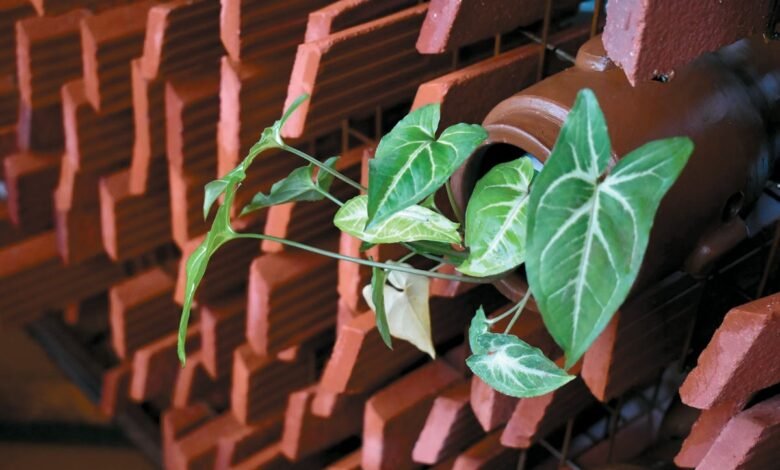
Terracotta Is a 3,000-Year-Old Solution to Fighting Extreme Heat
[ad_1] Terracotta Is a 3,000-Year-Old Solution to Fighting Extreme Heat Companies are adapting this humble clay-based ceramic to keep people cool—without electricity By Jyoti Thakur edited by Sarah Lewin Frasier Cooling facade built from terracotta A little over 20 percent of India’s households own an air conditioner or cooler, and fewer than a third have refrigerators—leaving hundreds of millions of…
Read More »