Following Threads’ addition of in-app games linked to DM, TikTok released its own version of the same, with a simple, emoji-connected experience.

As reported by TechCrunch, the new game experience is accessible by sending an emoji in any chat, then clicking on it.
As per TechCrunch: “The emoji you click on is the same one that will float across the screen to give you a boost. You can use any emoji you want, but you can only access the game by sending a single emoji at a time.”
The game involves users crossing a stream by bouncing off the backs of animated alligators. There are various power-ups and tricks to accelerate the emoji player, with competitive scores displayed in the top-right corner of the screen.
TikTok confirmed that the game is available globally and can be accessed via both one-on-one DMs and in group chats.
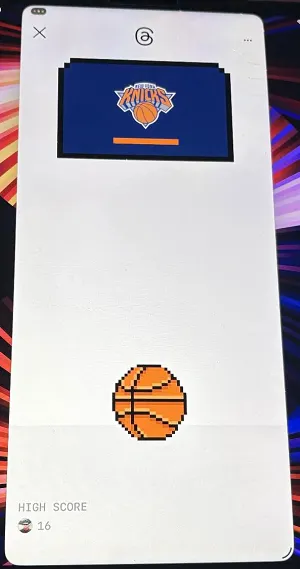
It’s interesting to see platforms leaning into different types of interaction within the messaging experience, with Threads’ simple DM game allowing users to compete in pop-a-shot basketball. That game was released to align with the 2026 NBA All-Star game.
In some ways, however, it does feel like a means to artificially juice engagement numbers by keeping users in these experiences for longer.
LinkedIn, for example, just released its seventh in-app puzzle game. The company reported that “millions” of its members play these games every day.
But does that engagement equate to usage of LinkedIn as we know it? Is LinkedIn, for example, counting the time that people spend playing these games toward overall usage figures that it’s reporting to prospective advertisers?
Because while people are playing games, they’re not scrolling the feed, and they’re not being exposed to promotions. So that shouldn’t count as engagement, at least in marketing terms.
Yet, it likely is, and the more that platforms are able to hook users with compulsive game experiences, the more these games could be helping to artificially stimulate app usage data, which could subsequently be used in misleading ways.
But for the platforms, engagement is engagement, and more time spent means more money earned. And until the FTC says apps have to separate their reporting on this front, companies will continue to explore this potential goldmine of user retention and engagement.