Discoveries At Herakleopolis Magna: Rare Marble Aphrodite Head And Inscriptions Connected To Senusret III

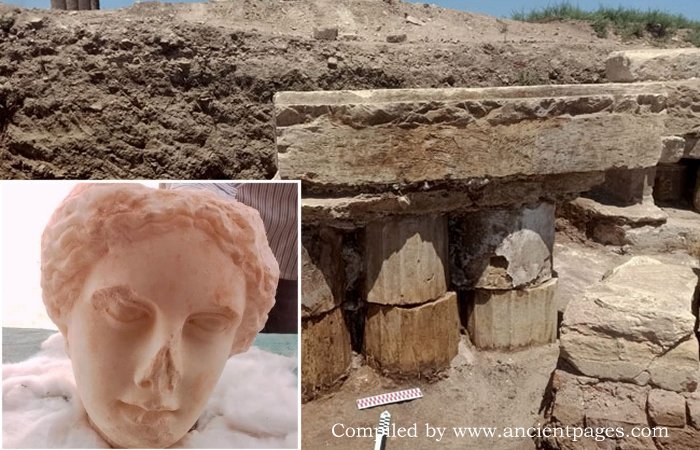
Conny Waters – AncientPages.com – Archaeologists recently uncovered inscriptions linked to King Senusret III, the remains of a Roman basilica, and a rare marble head of Aphrodite at Ehnasiya Al-Medina in Beni Suef, Egypt. These discoveries provide new insights into the site’s significance across various historical periods.
Credit: Supreme Council of Antiquities (SCA)
An Egyptian team from the Supreme Council of Antiquities (SCA) made these discoveries while excavating the ancient city, known as Herakleopolis Magna during the Greco-Roman period. The precise date of the earliest settlements remains unknown, but the Palermo Stone records King Den visiting the sacred lake of Heryshef at Nenj-neswt, indicating the city’s existence by the mid First Dynasty, around 2970 BC.
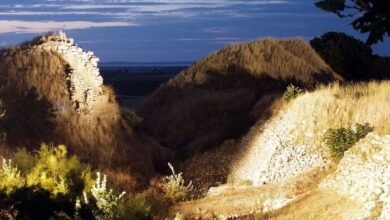
The site is located approximately 15 kilometers (9.3 miles) west of modern Beni Suef in Egypt’s Beni Suef Governorate. Ehnasiya Al-Medina is one of Egypt’s key archaeological sites. It was the capital during the Ninth and Tenth Dynasties and stayed important as a religious and administrative center through the Middle, New, and Third Intermediate Kingdoms. The city thrived again under Greek and Roman rule, when it was called Herakleopolis Magna, or City of Heracles the Great.
Credit: Supreme Council of Antiquities (SCA)
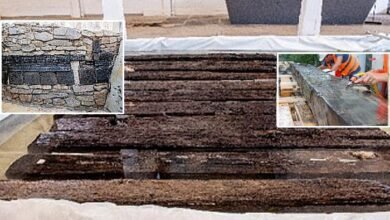
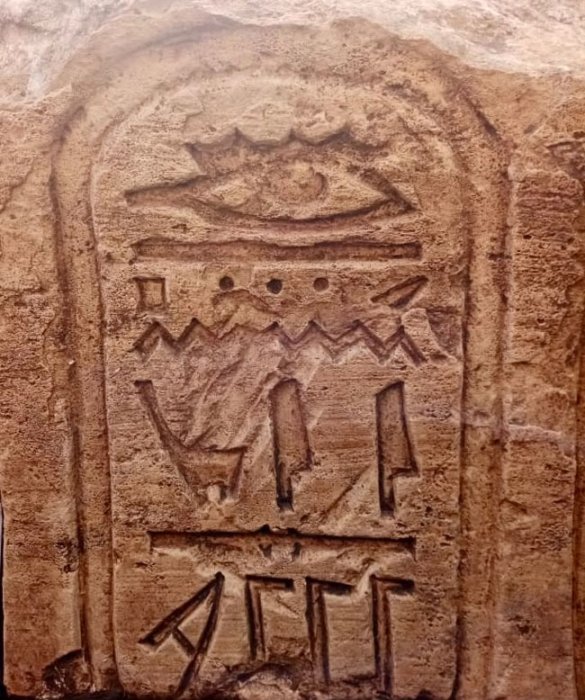
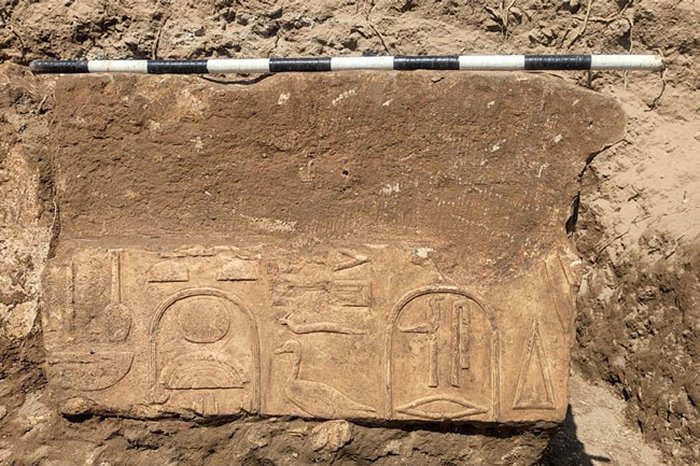
Recent excavations yielded several notable finds, including a reused stone block with a raised-relief inscription of Senusret III, a prominent Middle Kingdom ruler. The inscription displays the king’s throne and birth names, along with a cartouche bearing the name of the deity Osir-Naref, highlighting the significance of this cult in Ehnasiya during the Pharaonic and Ptolemaic periods.
Credit: Supreme Council of Antiquities (SCA)
Credit: Supreme Council of Antiquities (SCA)
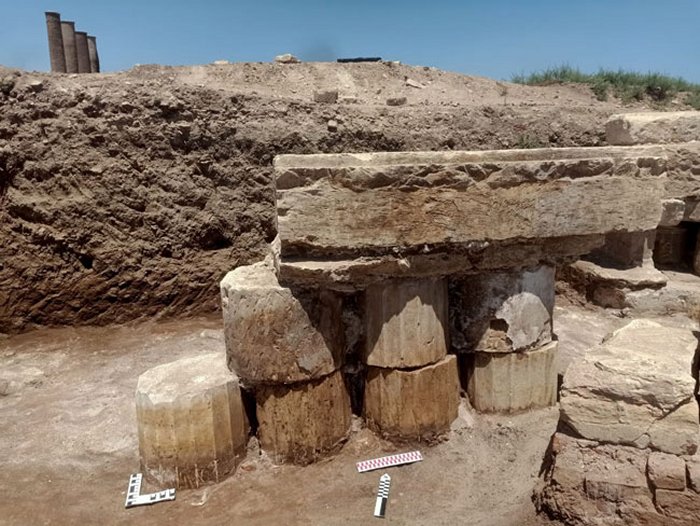
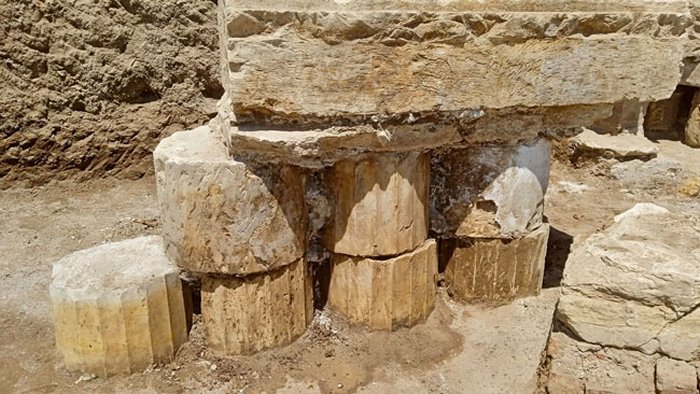
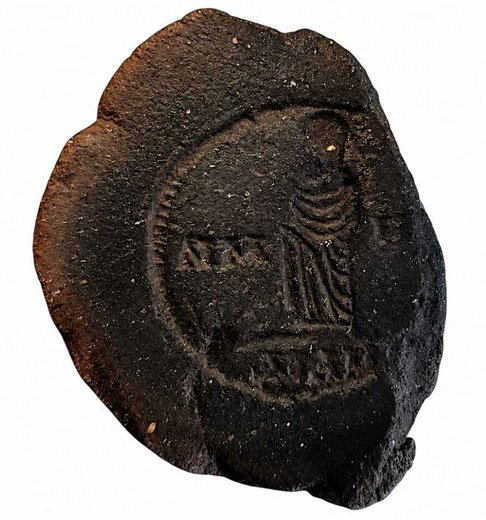
Excavations also revealed extensions of a Roman-era basilica and remains of an earlier Doric temple. Archaeologists discovered a marble head of Aphrodite, along with fragments of wall statues and terracotta molds likely used for coin production during the Roman period.
Credit: Supreme Council of Antiquities (SCA)
Sherif Fathy, Egypt’s minister of tourism and antiquities, described the discoveries as an important addition to understanding Ehnasiya’s historical significance and role across different periods of Egyptian history.
See also: More Archaeology News
Hesham El-Leithy, secretary-general of the SCA, said the Senusret III inscription further supports the king’s association with Ehnasiya’s monuments and underscores the city’s religious significance during the Middle Kingdom.
He added that the newly uncovered sections of the basilica provide insights into the development of this building type. Basilicas originally served administrative, commercial, and social purposes during the Greek period and were later adapted for Christian worship.
Written by Conny Waters – AncientPages.com Staff Writer