Sony unveiled the Xperia 10 VIII with a Snapdragon 6 Gen 4, a 6.1-inch OLED, a 5,000mAh battery, and a 50MP main camera. It starts at a rather steep $600. Why steep? Well, it’s mostly unchanged from its predecessor.
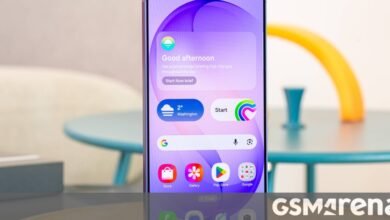
Speaking of unchanged, Samsung unveiled the Galaxy S26 FE. It has a new chipset, runs the newest One UI 9 with a host of new Galaxy AI features, but packs otherwise the same specs as its predecessor.
The Galaxy S26 FE will be available from September 4 in four colors – Blueberry, Pistachio, Graphite, and White. Prices start from €700.
Poco is gearing up for the F9 series launch and has now confirmed the chips powering its two top models. The F9 Pro gets the Snapdragon 8 Elite, while the F9 Ultra goes all-in with the newer Snapdragon 8 Elite Gen 5, giving Poco’s flagship lineup some serious firepower.

Sony’s latest midranger is basically last year’s phone with a new coat of paint.

The new features include My FanCam, Horizon Lock, Photo Assist, custom widgets for Now Brief and more.

The two phones will be officially unveiled next Tuesday.
The Galaxy S27 Ultra made the rounds in a couple of leaks this week, with fresh CAD renders giving us our best look yet at Samsung’s next flagship. The phone appears to adopt a revised rear camera layout and a slightly more rounded design, though conflicting renders mean the final camera arrangement is still up in the air.
In related news, Samsung reportedly considered bringing a major battery upgrade to the Galaxy S27 Ultra, to the tune of 7,000mAh, but decided against it. The reason? Weight and charging time considerations.
The camera island is changing indeed.

The Galaxy S27 Ultra is rumored to offer a triple-rear camera setup.

Two problems converged – available space and longevity.
HMD unveiled the Nokia 300 Charge, a feature phone with a massive-for-its-class 3,700mAh battery and a neat party trick – it doubles as a 10W power bank at the press of a dedicated “Out” button. It promises over 40 days of standby and even packs a seriously bright flashlight. The Nokia 300 Charge is already available in select markets for around $35, but there’s no word on a wider global release yet.
Motorola is taking a big step towards more software freedom, confirming that its 2027 flagship phones will officially support GrapheneOS. That means users will be able to install the privacy-focused Android alternative without the usual hardware compatibility headaches.
<

While it doesn’t sound like much these days, this is huge for a feature phone.

The rising memory chip prices got the best of us.

This is the de-Googled, more secure version of the Android Open Source Project.

It doesn’t appear to be an entirely new smartphone, though.